

The Halloween Update and the Birth of the Nether
The Halloween Update did more than add a spooky dimension: it gave vanilla SMPs a dangerous second route for travel, resources, and community memory.

Use the blog when you need more context than a server card can hold. These guides help players compare vanilla Minecraft servers, understand key updates, and pick a better survival world before joining.
The Halloween Update did more than add a spooky dimension: it gave vanilla SMPs a dangerous second route for travel, resources, and community memory.
The recurring “Removed Herobrine” line was never a normal feature note. Its history shows how a community joke became part of Minecraft's update ritual, and why clear version communication still matters on a Vanilla SMP.
Beta 1.7.3 sits just before Minecraft's Adventure Update changed terrain, hunger, and the pace of survival. Its lasting appeal explains why some Vanilla SMP players choose a version boundary instead of an endless update stream.

Minecraft 26.23 is a small Bedrock hotfix, but it matters for vanilla Minecraft servers because Android, Realms, visual glitches, crashes, and version timing all affect whether players can join calmly.

Minecraft 26.22 matters less as a feature drop than as a compatibility signal for Bedrock players, Realms users, and vanilla servers that need clear update timing.
Diamonds became SMP currency because they were scarce, portable, useful, and easy for vanilla players to trust, but diamond economies still need clear server rules.
Before hunger and sprinting, early Minecraft survival made food, distance, and danger feel slower and more deliberate. That history still helps players read vanilla server listings.

Old Minecraft boats were fast, fragile, and awkward enough to shape how early multiplayer groups planned rivers, coastlines, outposts, and server travel promises.
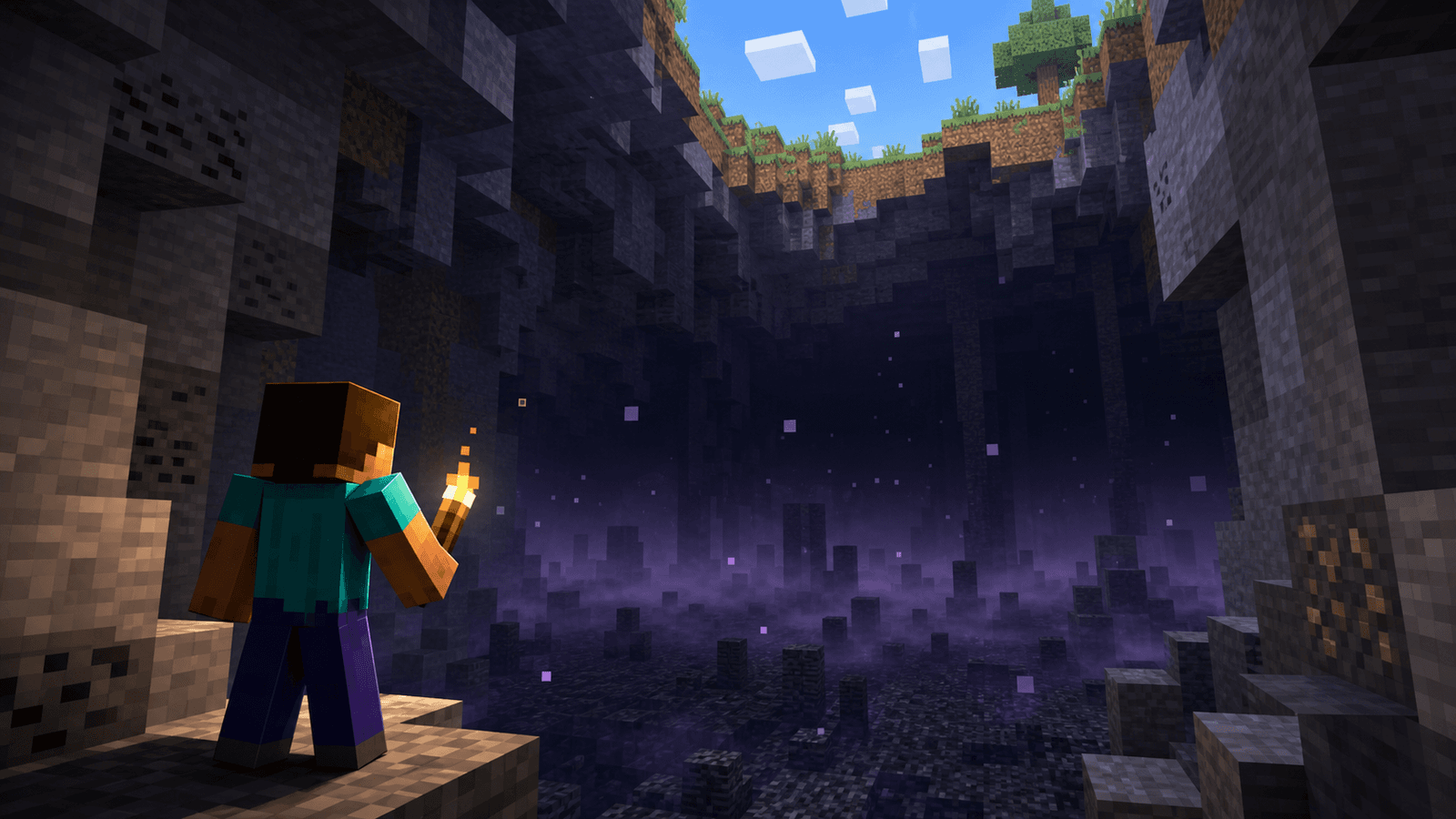
Void fog made Minecraft's deepest caves feel oppressive before it vanished during the Java 1.8 snapshot cycle. Its history helps players compare vanilla Minecraft servers that promise old-version atmosphere, clean visibility, or strict modern vanilla.
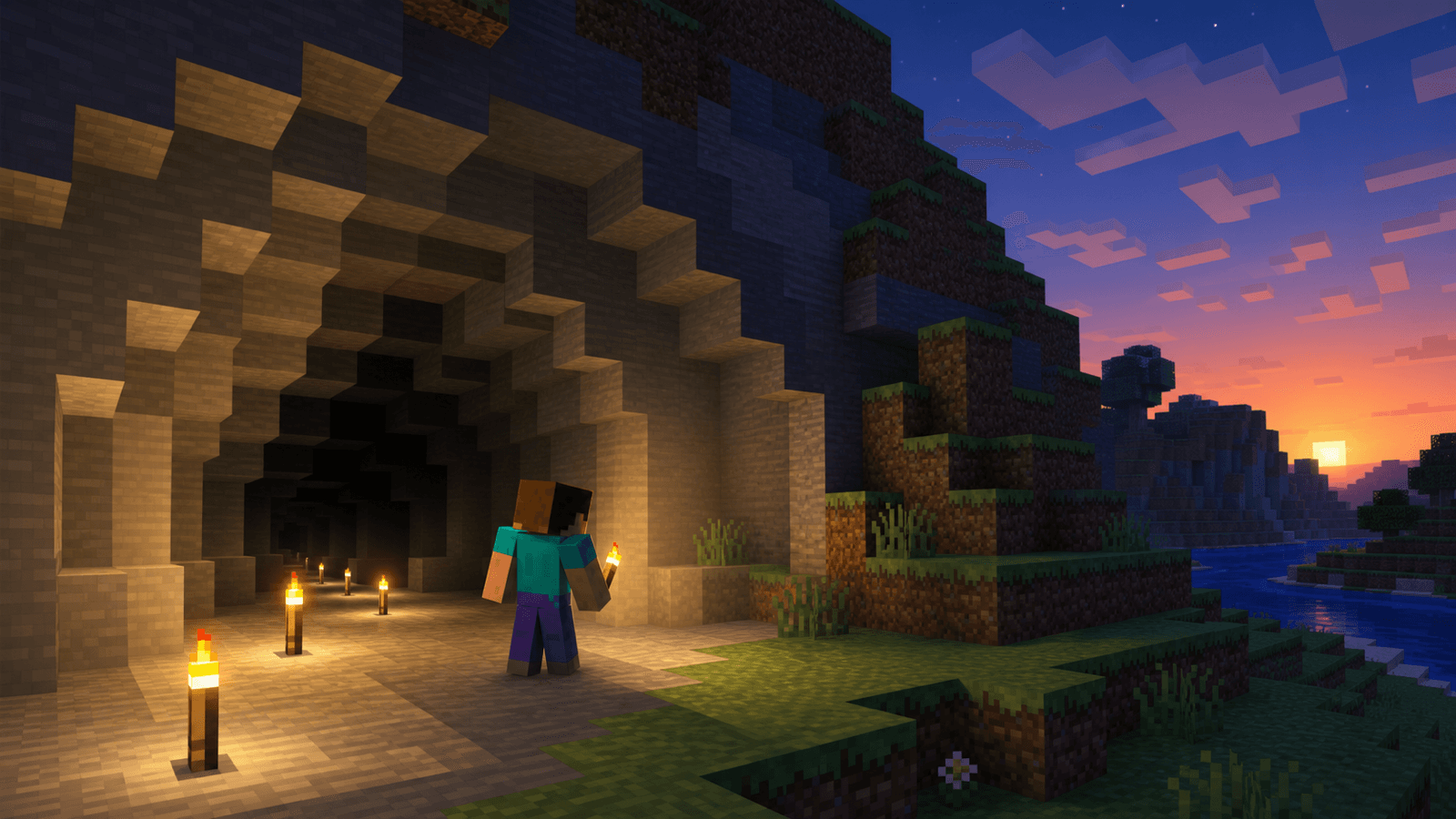
Minecraft's old lighting was sharper, darker, and less forgiving than modern rendering. That history helps players compare vanilla Minecraft servers that promise beta nostalgia, old-world atmosphere, or strict current vanilla play.
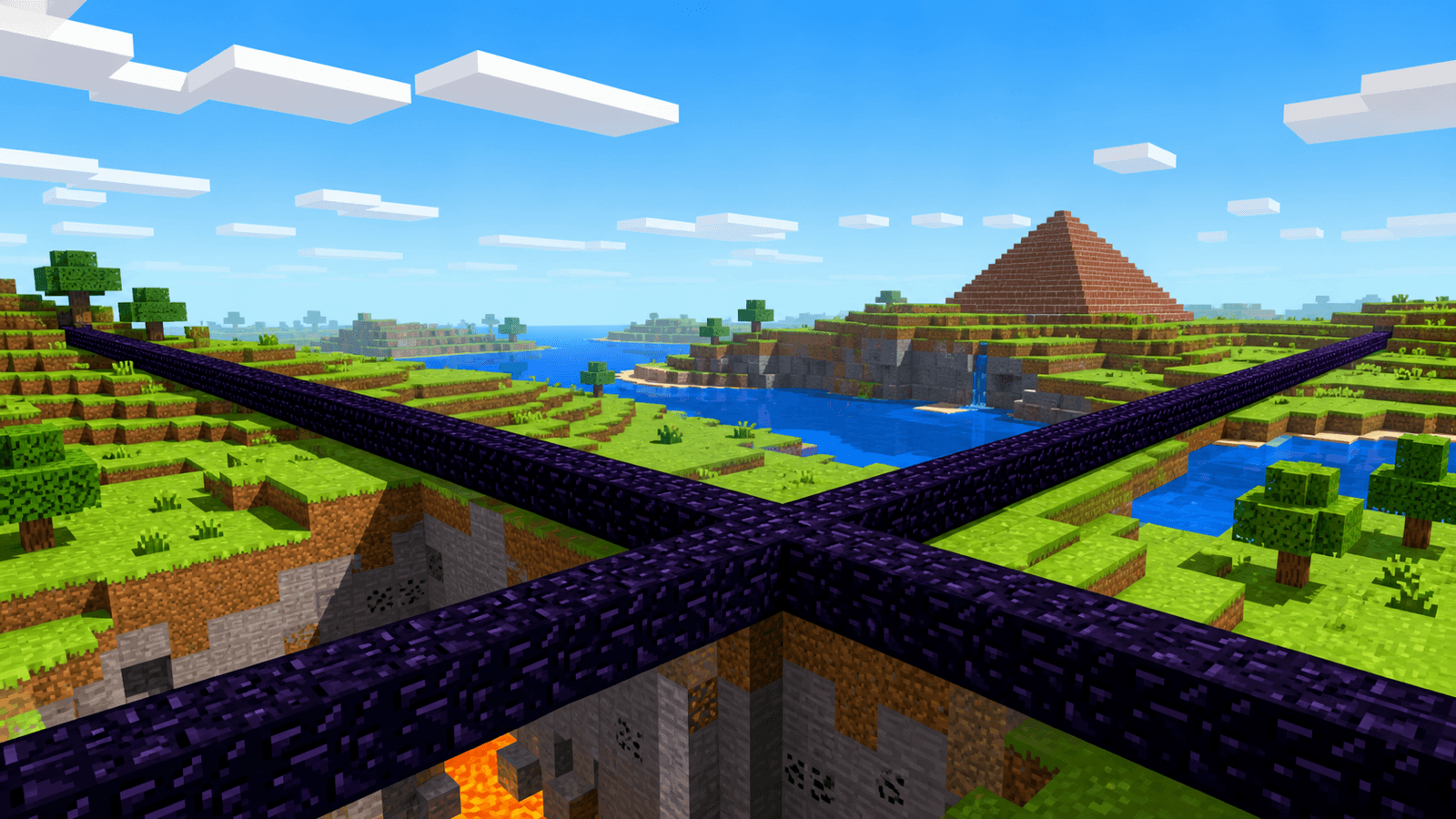
Obsidian walls were short-lived Infdev debug landmarks at world center. Their history helps players compare vanilla Minecraft servers that advertise old maps, preserved chunks, or custom nostalgia.
Minecraft Bedrock 26.21 is a small hotfix, but it is a useful test of vanilla Minecraft servers: clear version notes, Bedrock rollout timing, and crossplay expectations matter more than the patch size.
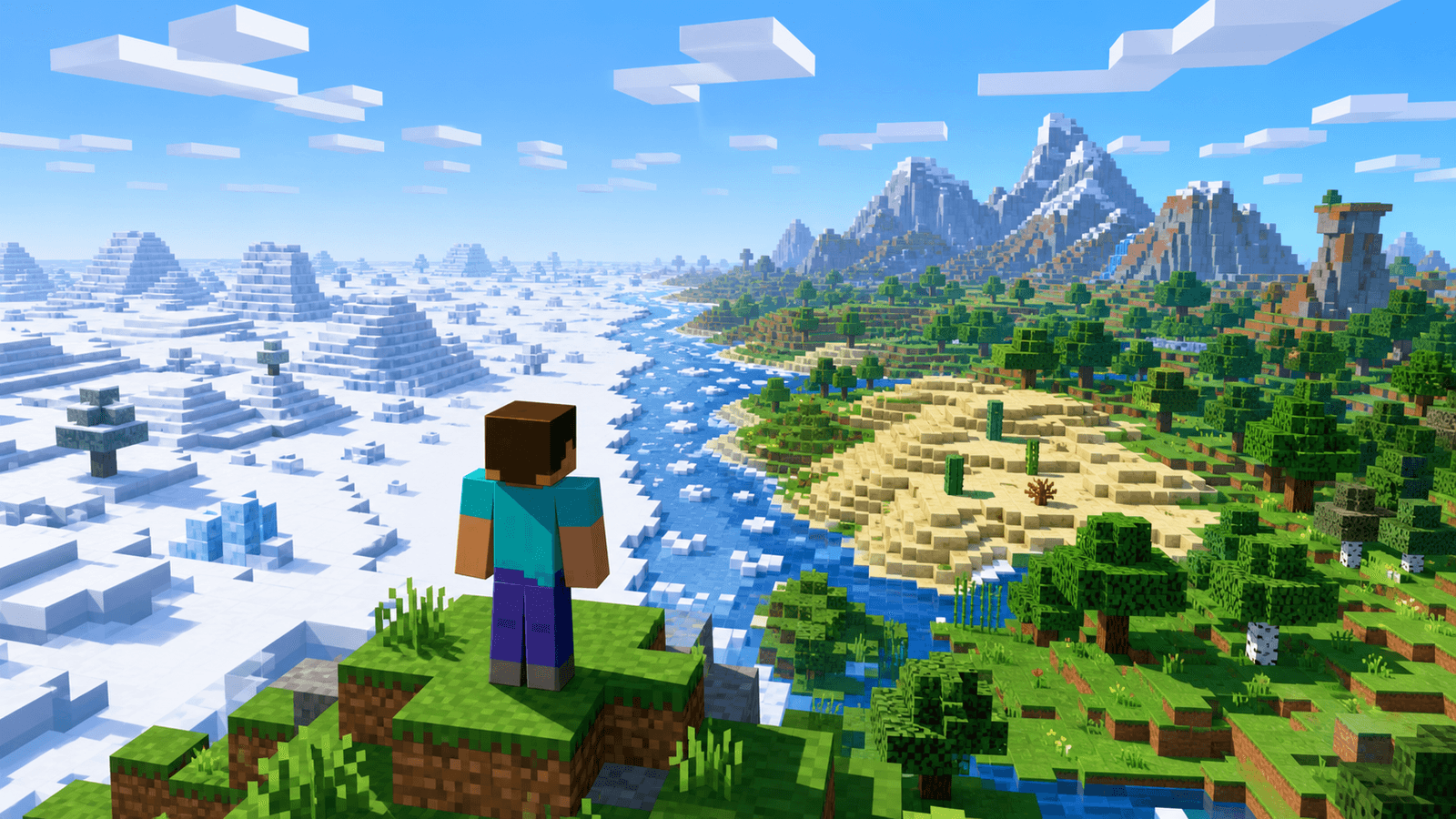
Winter Mode was Minecraft's first snow-world experiment before real biomes. Its replacement by biome-driven terrain still helps players compare vanilla Minecraft servers that advertise old worlds, custom seasons, or preserved generation.
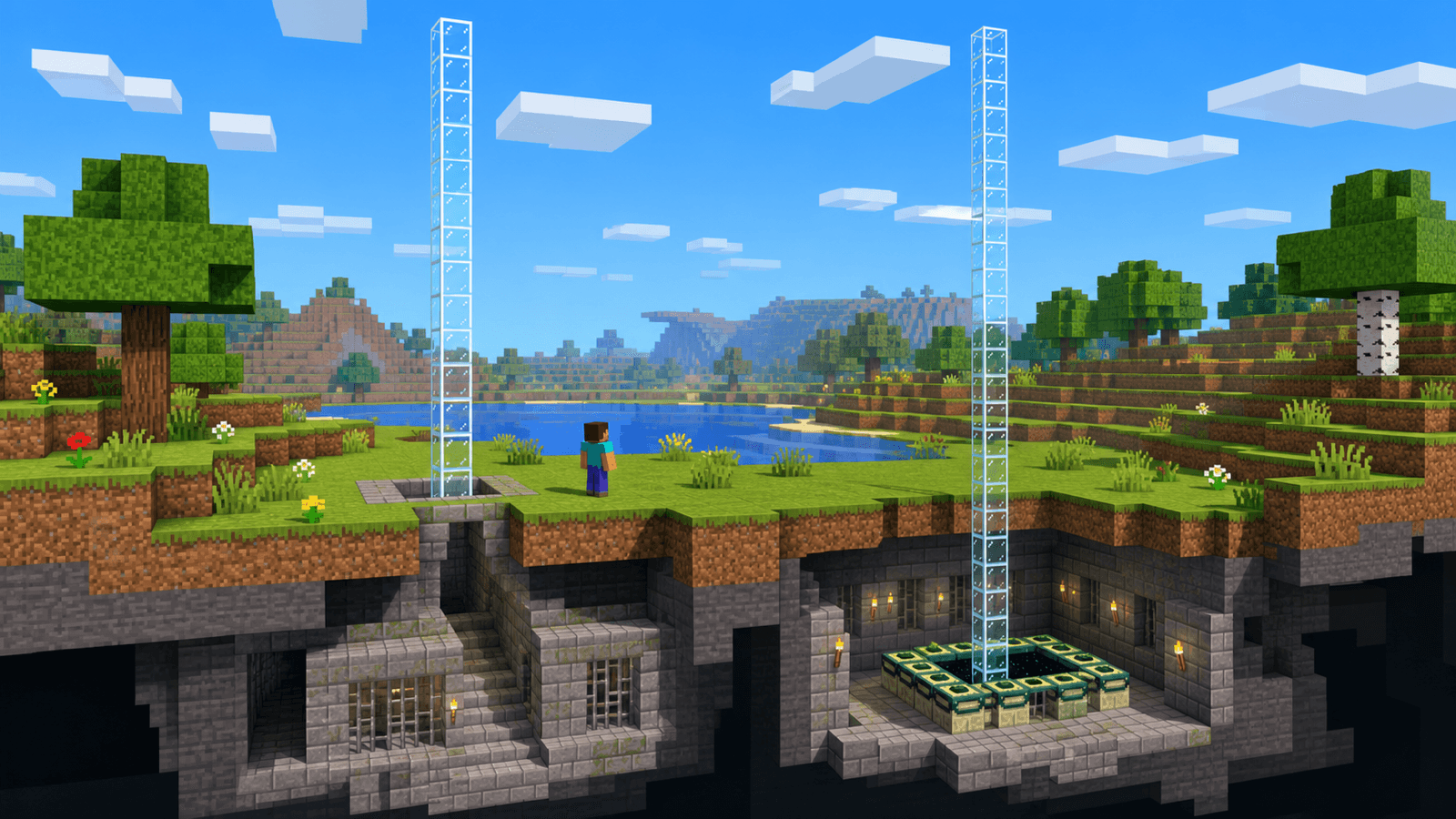
Old stronghold glass pillars were debug markers, not lost vanilla monuments. Their short life still helps players read vanilla Minecraft servers that trade on nostalgia, version history, or hidden-End progression.
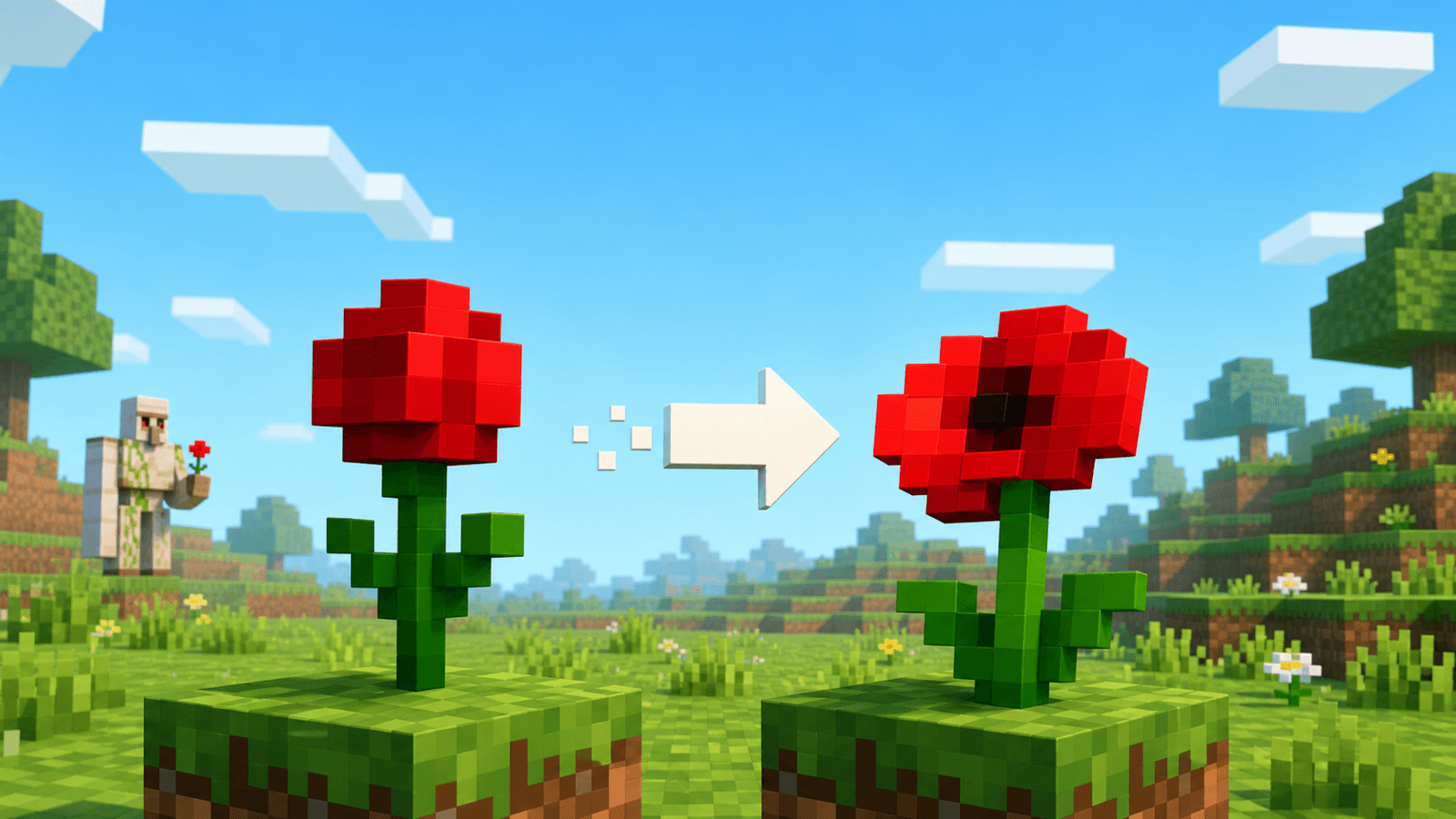
Minecraft's rose became the poppy during the 1.7.2 flower overhaul. The change still helps players read vanilla Minecraft servers that trade on nostalgia, resource packs, or old-version claims.
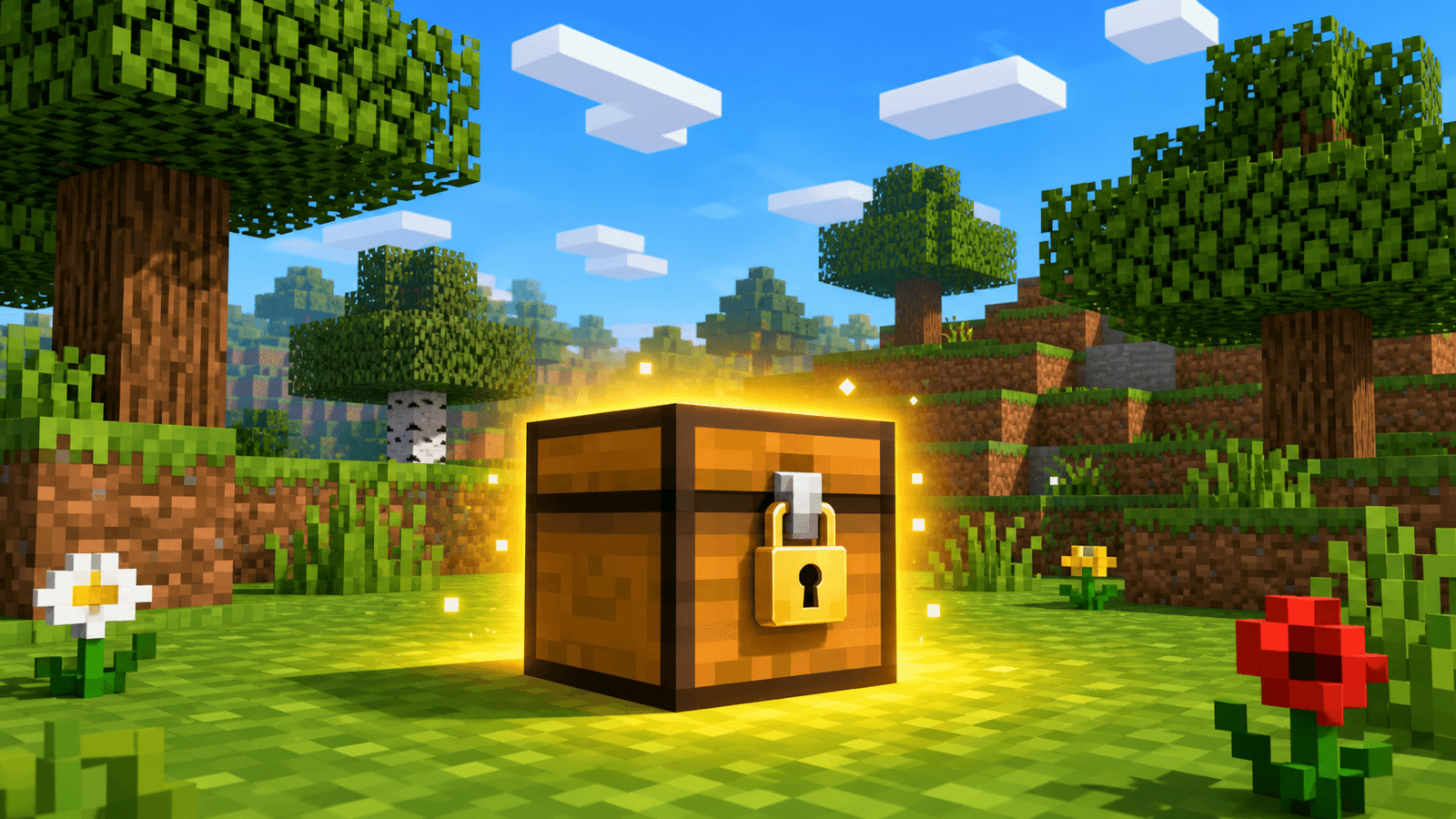
Locked chests were a real Beta 1.4 April Fools block, not a normal survival container. Their short life helps players compare vanilla Minecraft servers that use nostalgia, custom locks, or old-version claims.

Mojang's Chaos Cubed testing adds TNT-fed sulfur cubes and geysers. For vanilla Minecraft servers, the useful lesson is not hype, but how owners handle experimental mechanics before they reach stable survival worlds.
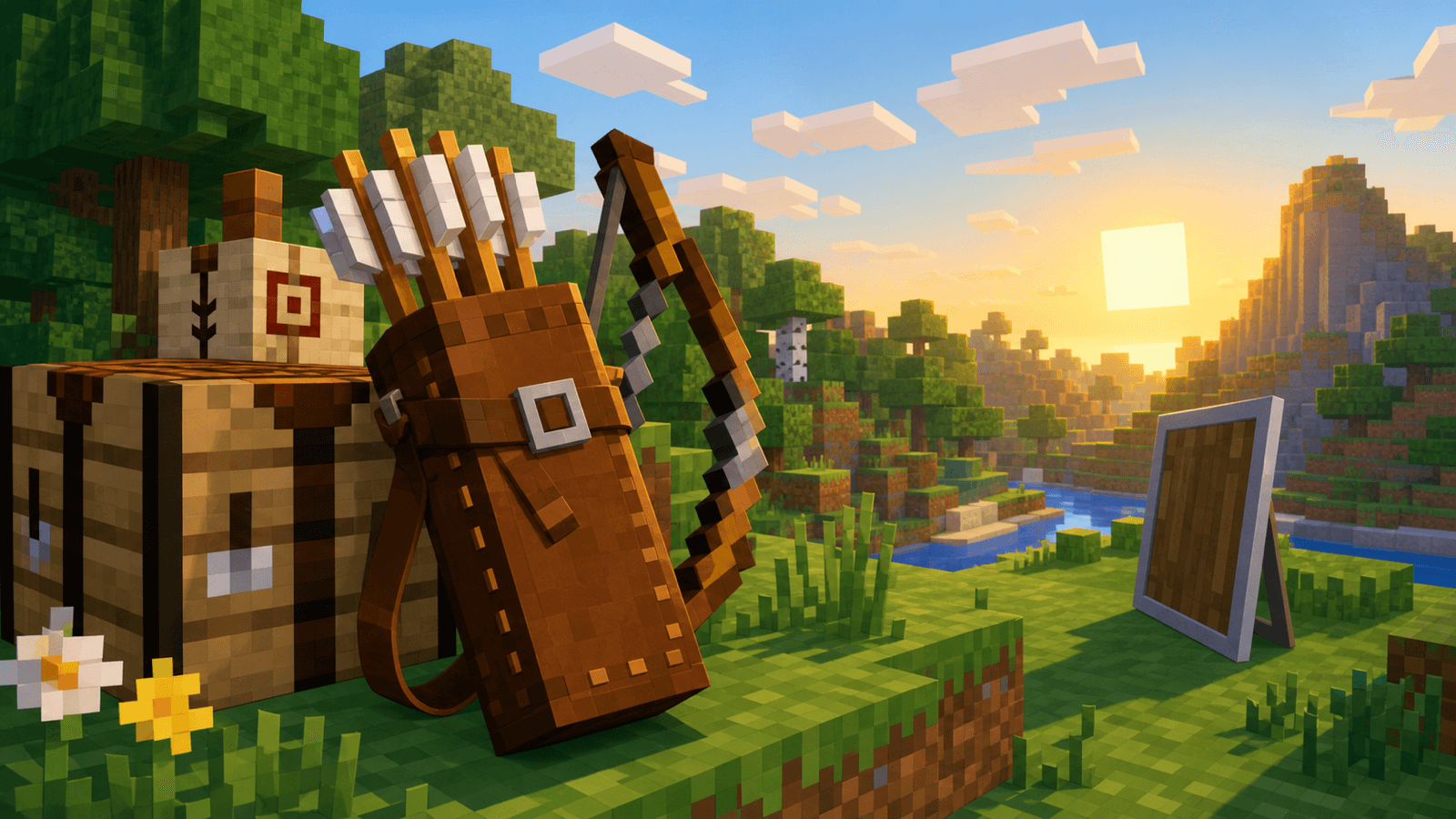
Quivers were a real removed Minecraft item and nearly returned during the 1.9 combat cycle. Their history helps vanilla Minecraft server players separate clean inventory promises from modded ranged-combat changes.
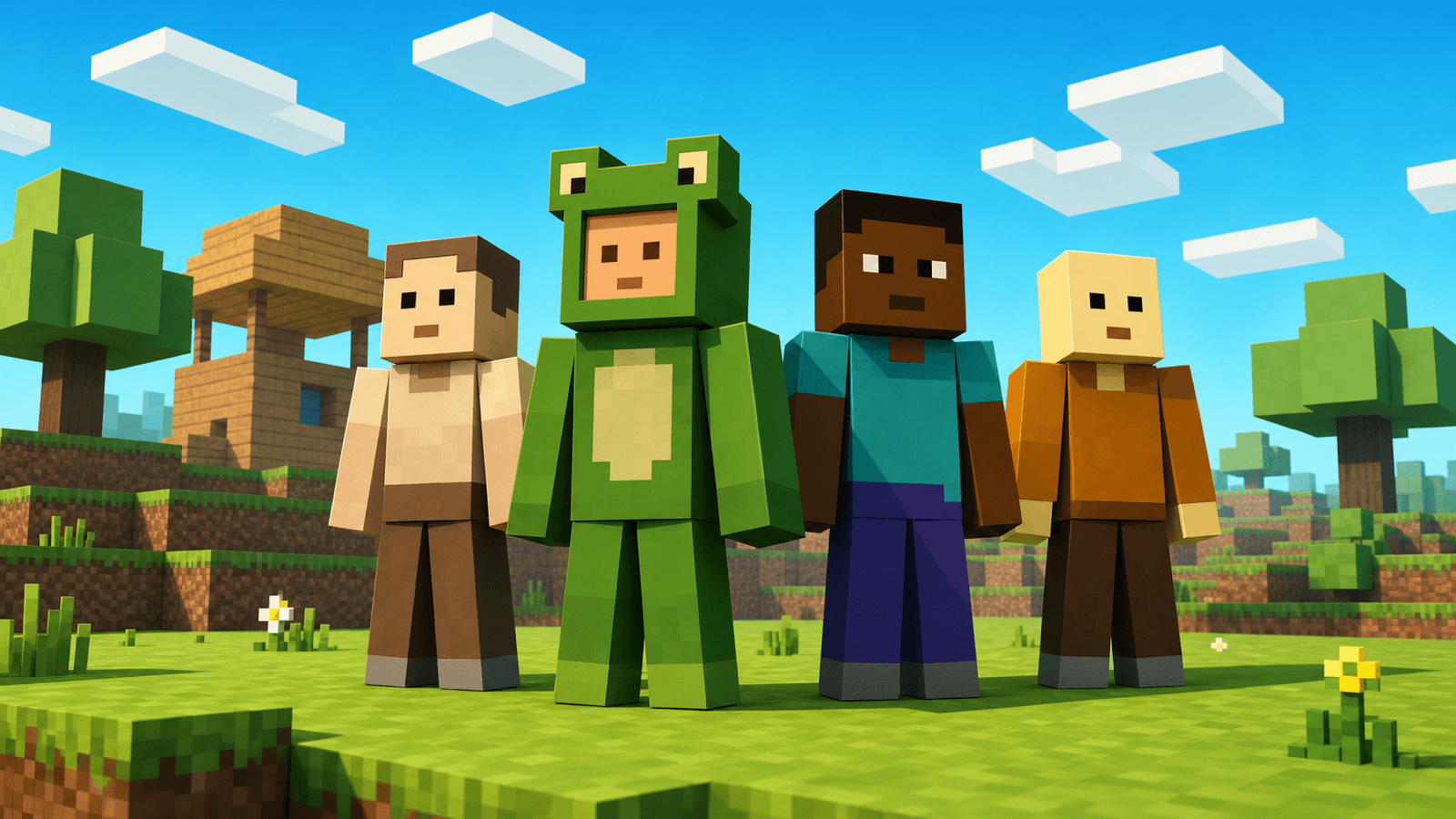
Rana, Black Steve, Steve, and Beast Boy were short-lived Indev test mobs, but their history still helps vanilla Minecraft server players read old-feature nostalgia, server labels, and promises about what counts as vanilla.
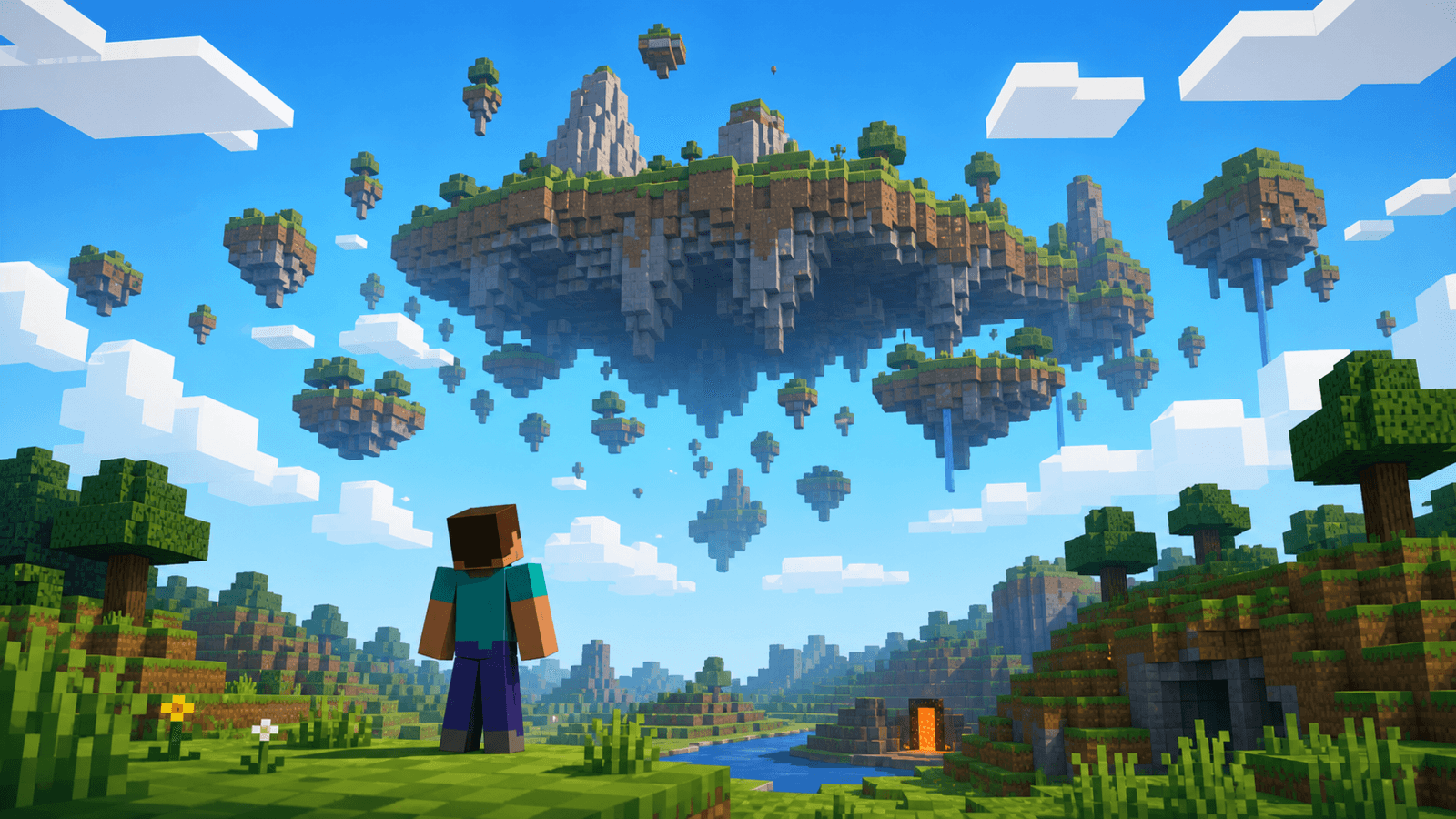
The Sky Dimension was an early planned opposite to the Nether, but its abandoned path still helps vanilla SMP players read server promises about dimensions, progression, and world identity.
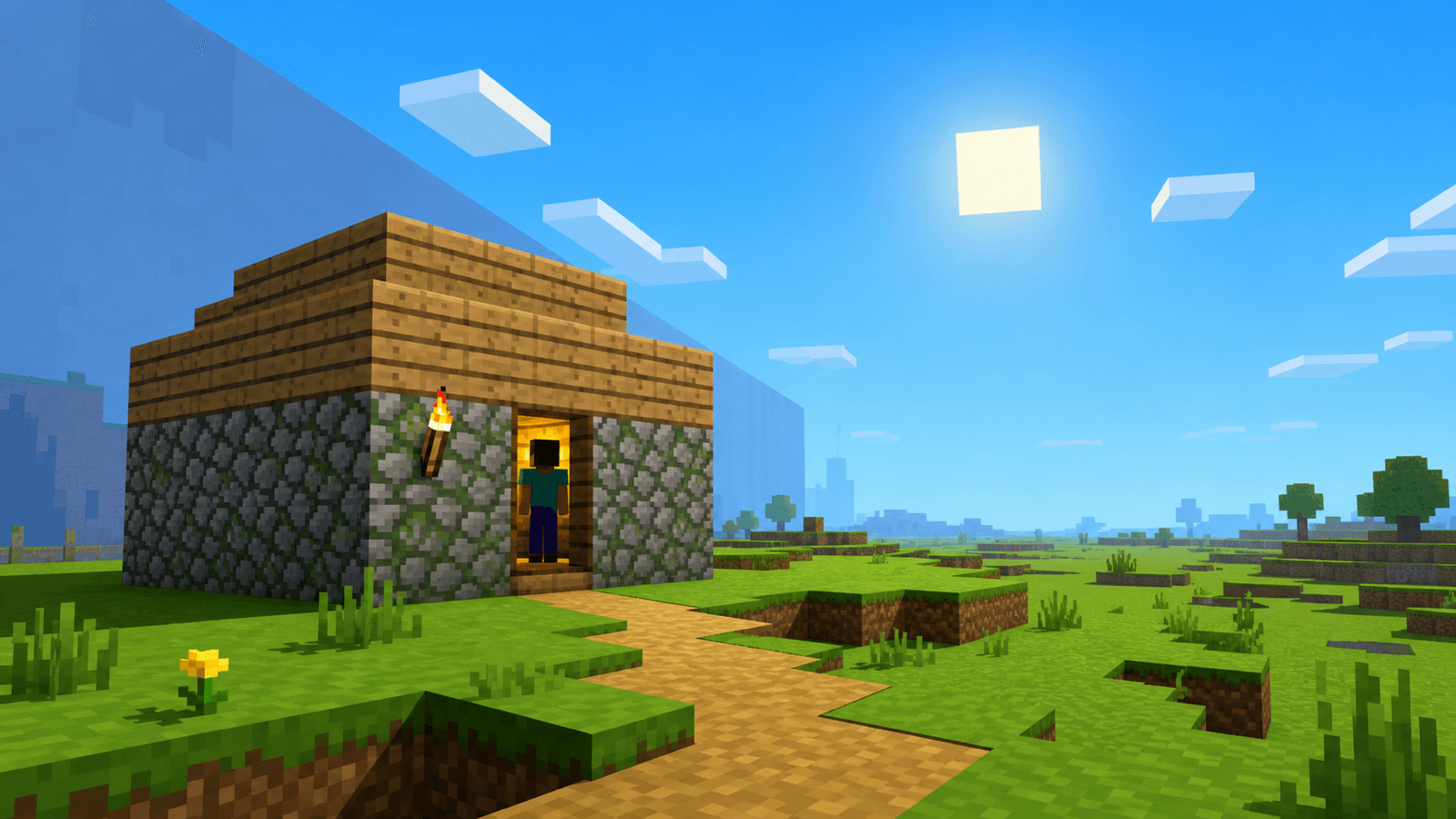
The Indev starting house was more than an old spawn hut. Its short life shows how Minecraft moved from guided testing toward player-made first nights, and that still helps vanilla SMP players judge spawn design today.

Minecraft Bedrock 26.30 makes Chaos Cubed feel close to release, but the vanilla SMP lesson is update clarity: sulfur caves, Bedrock access, and preview features need plain server communication.
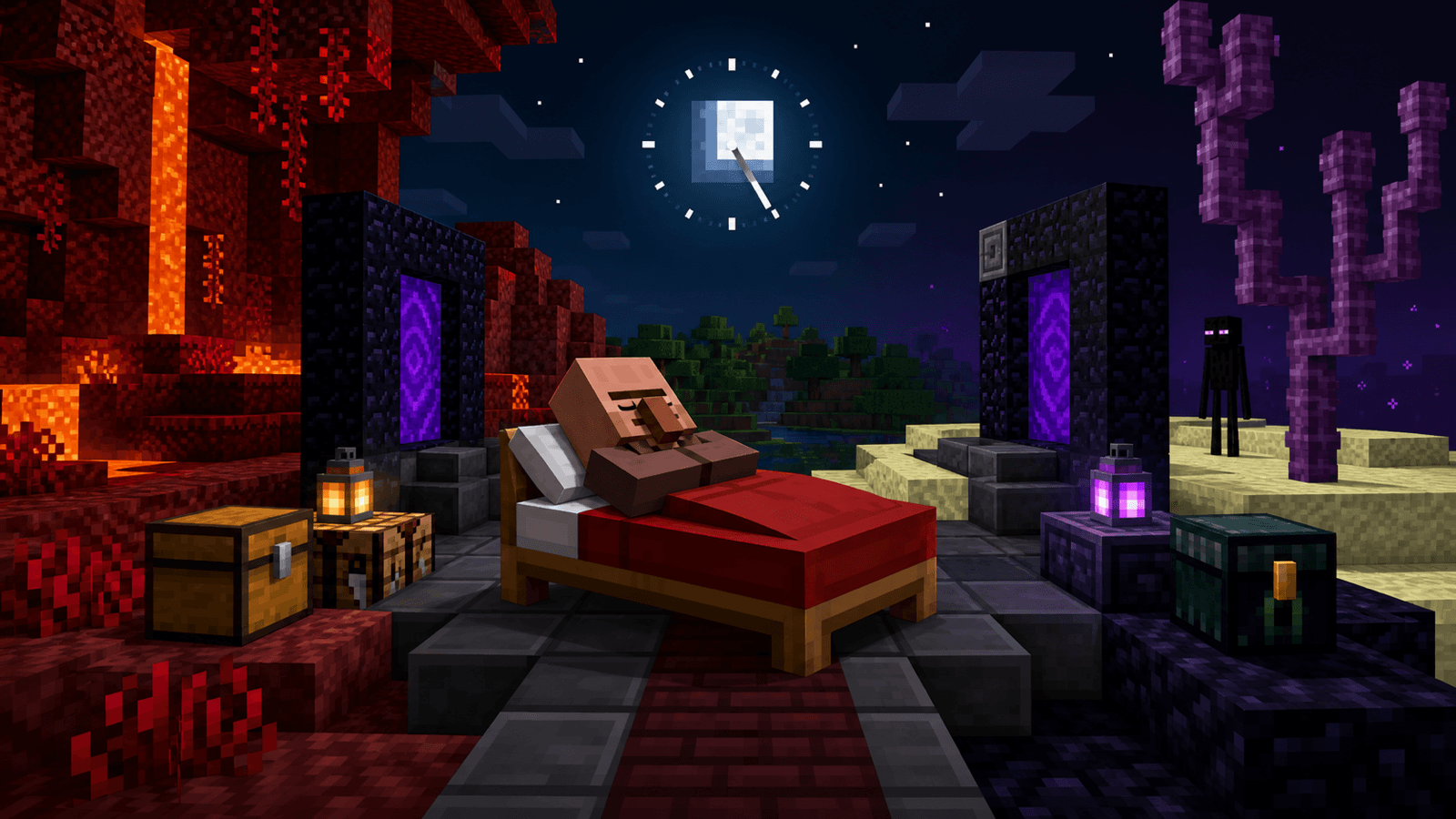
Villagers can use beds safely in the Nether and the End when Overworld time is night. Here is why that small rule matters for Vanilla SMP bases, trading halls, and server selection.
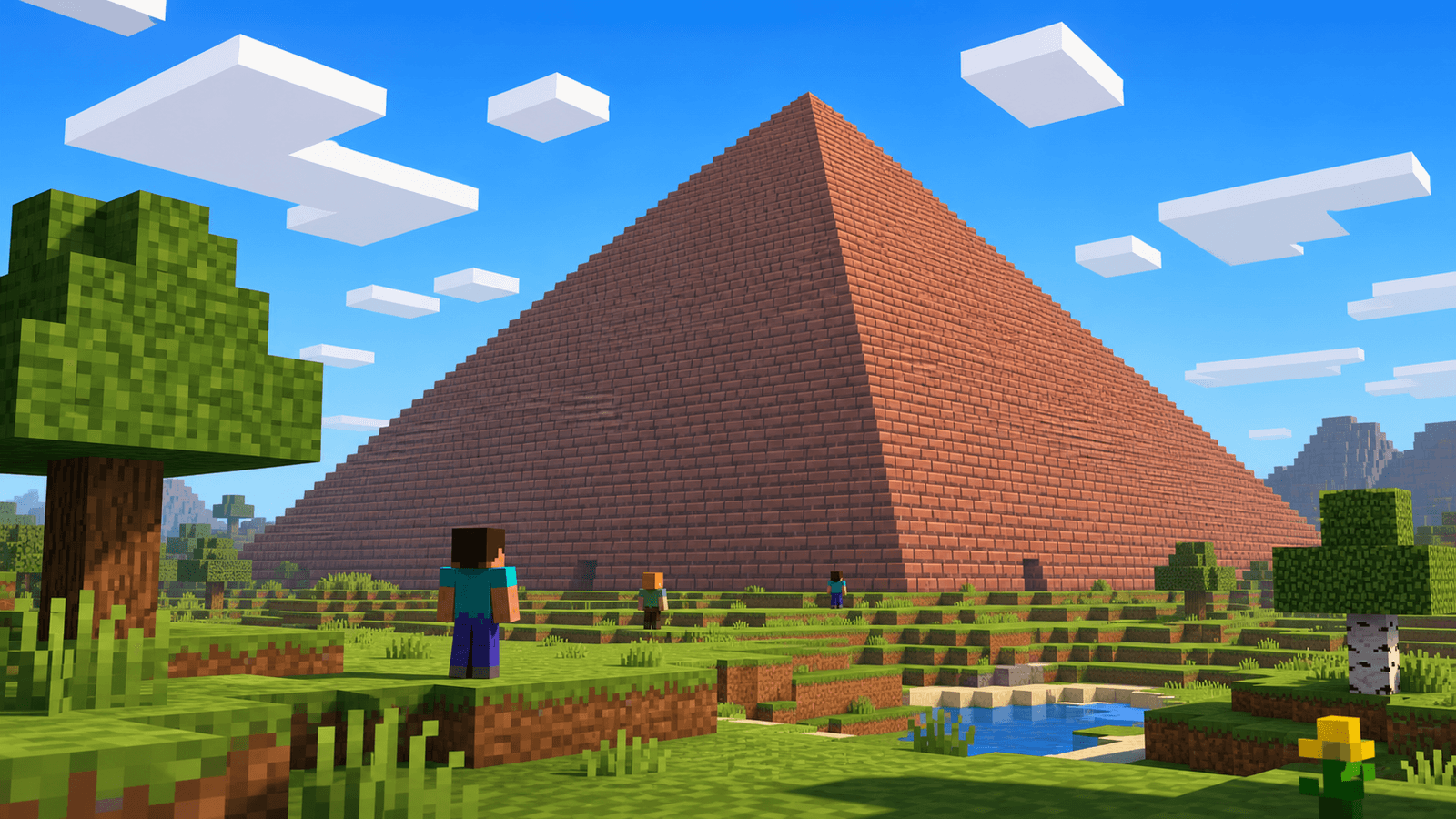
Brick pyramids were short-lived Infdev test structures. Here is why their history matters when Vanilla Minecraft Servers advertise old worlds, preserved terrain, or custom nostalgia.
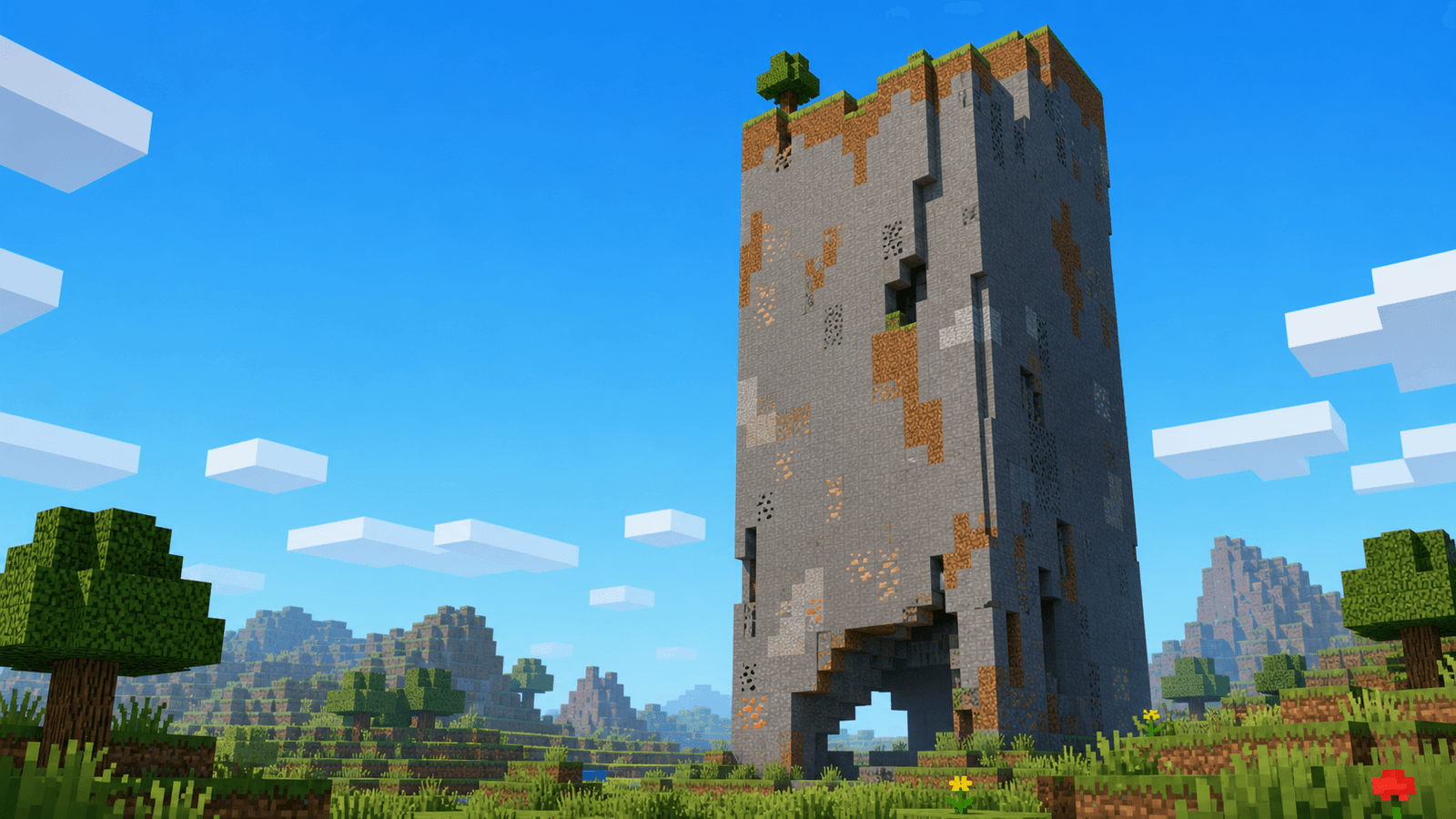
Minecraft monoliths were old Infdev and Alpha terrain glitches. Here is what their history tells Vanilla SMP players about version claims, preserved worlds, and server fit.
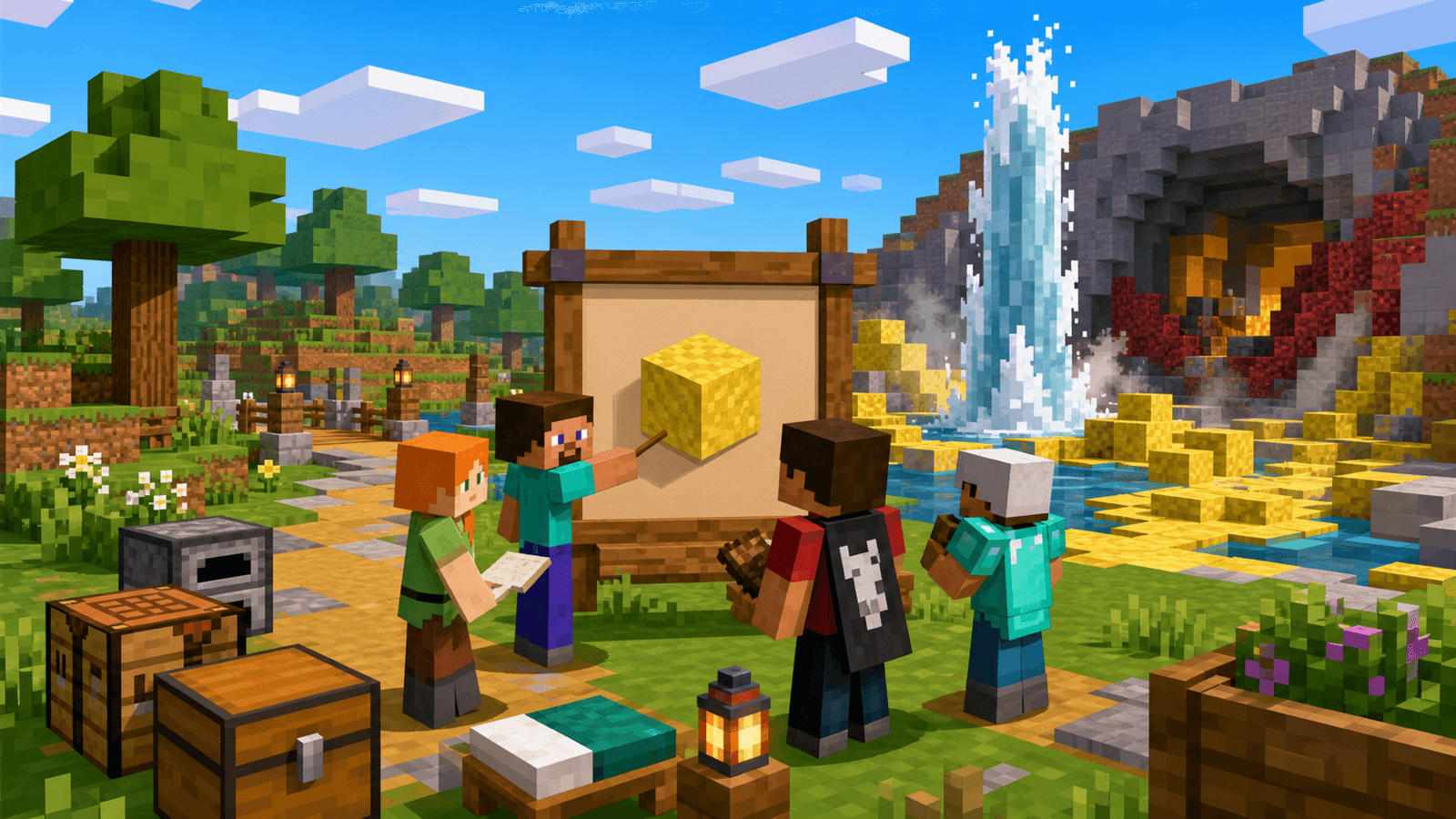
Minecraft Bedrock 26.20 turns a testing-heavy Chaos Cubed release into a practical vanilla SMP question: how clearly does a server explain update timing, Bedrock access, and temporary version gaps?
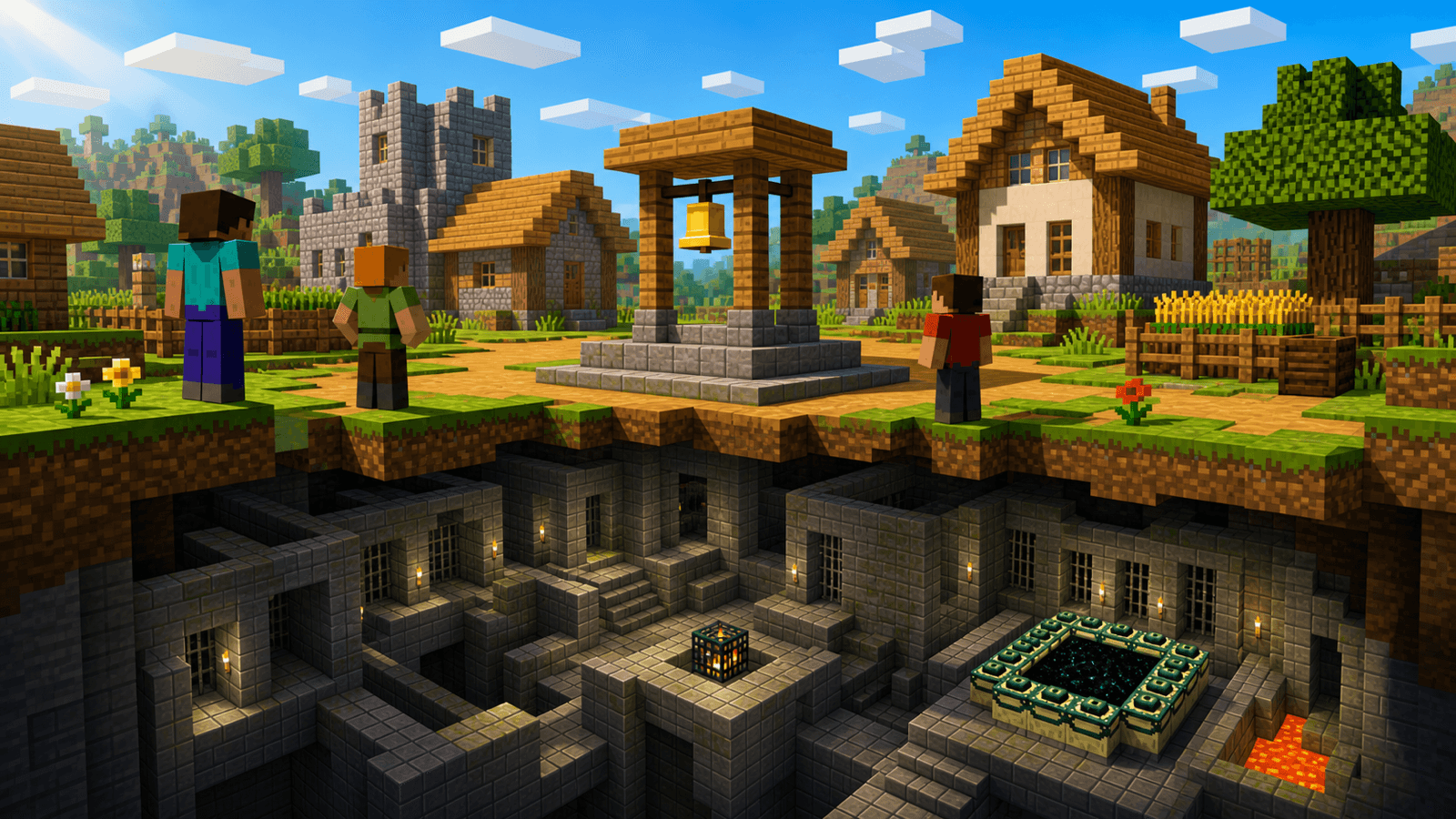
In Bedrock Edition, strongholds are tied closely enough to village meeting points that bells and village centers change how players search. On a vanilla SMP, that turns a small generation fact into a test of edition clarity, route planning, and End-prep expectations.
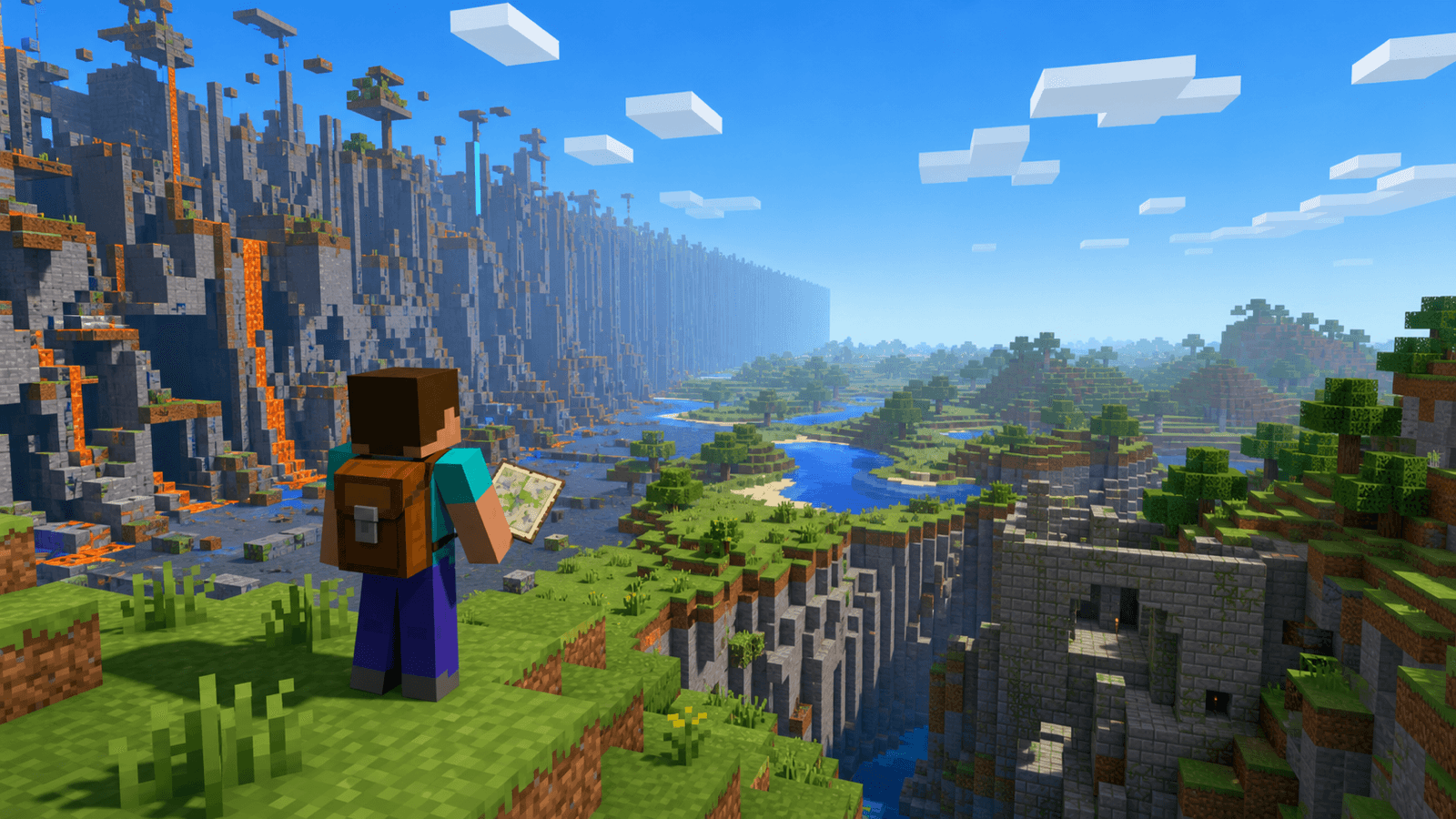
Beta 1.8 did not just patch a famous terrain bug. It turned old Far Lands generation into history, and that still shapes how vanilla SMP players should read preserved-world claims, beta-terrain regions, and long-distance travel culture.
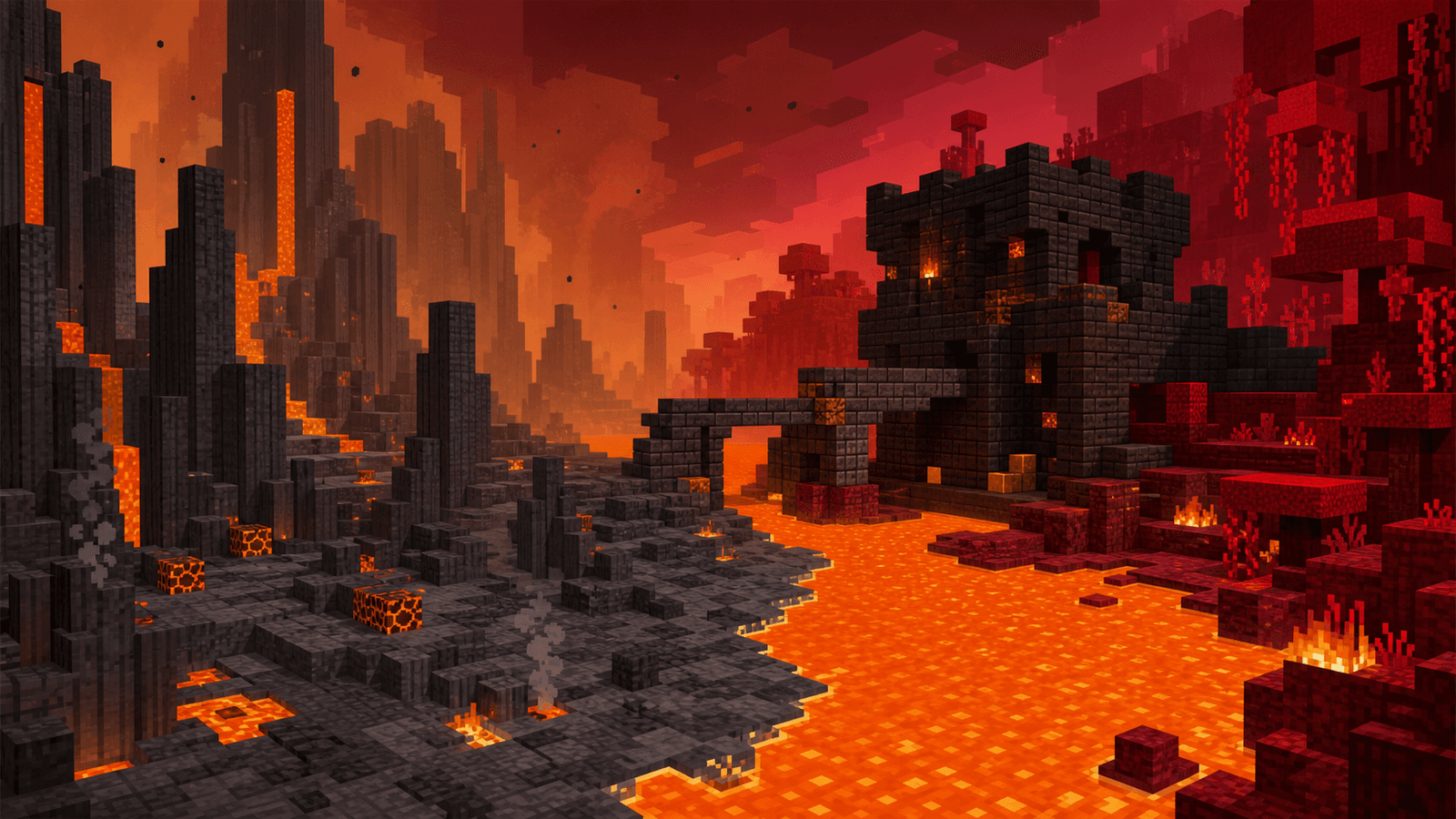
Bastions can extend into basalt deltas, but they do not start there. On a vanilla SMP, that small rule changes how players search the Nether, build routes, and judge whether a server keeps exploration meaningful.
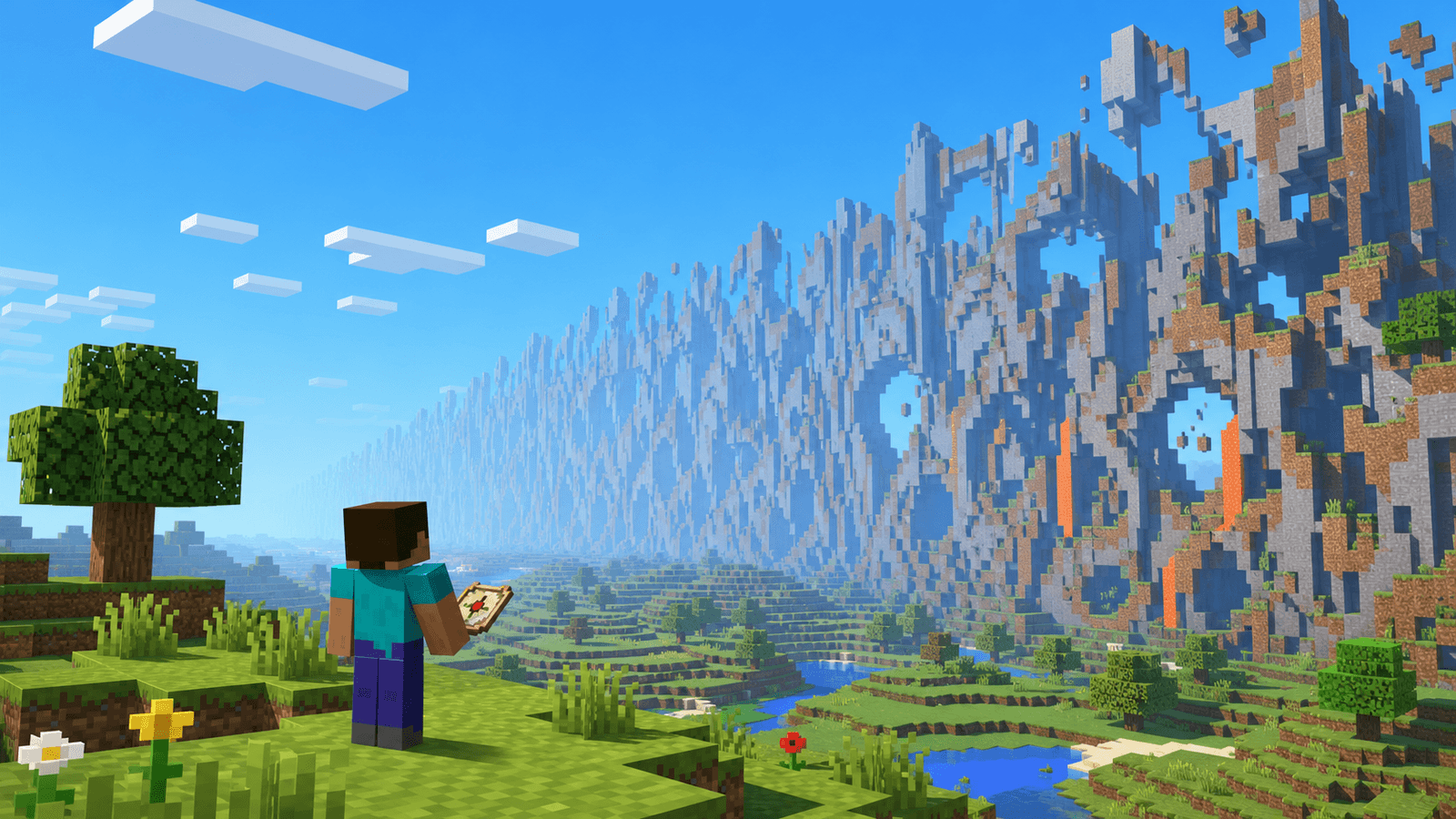
The Far Lands were a version-specific terrain bug, but the reason players still care about them is multiplayer culture: old-world preservation, extreme-distance travel, and how vanilla servers explain their map history.
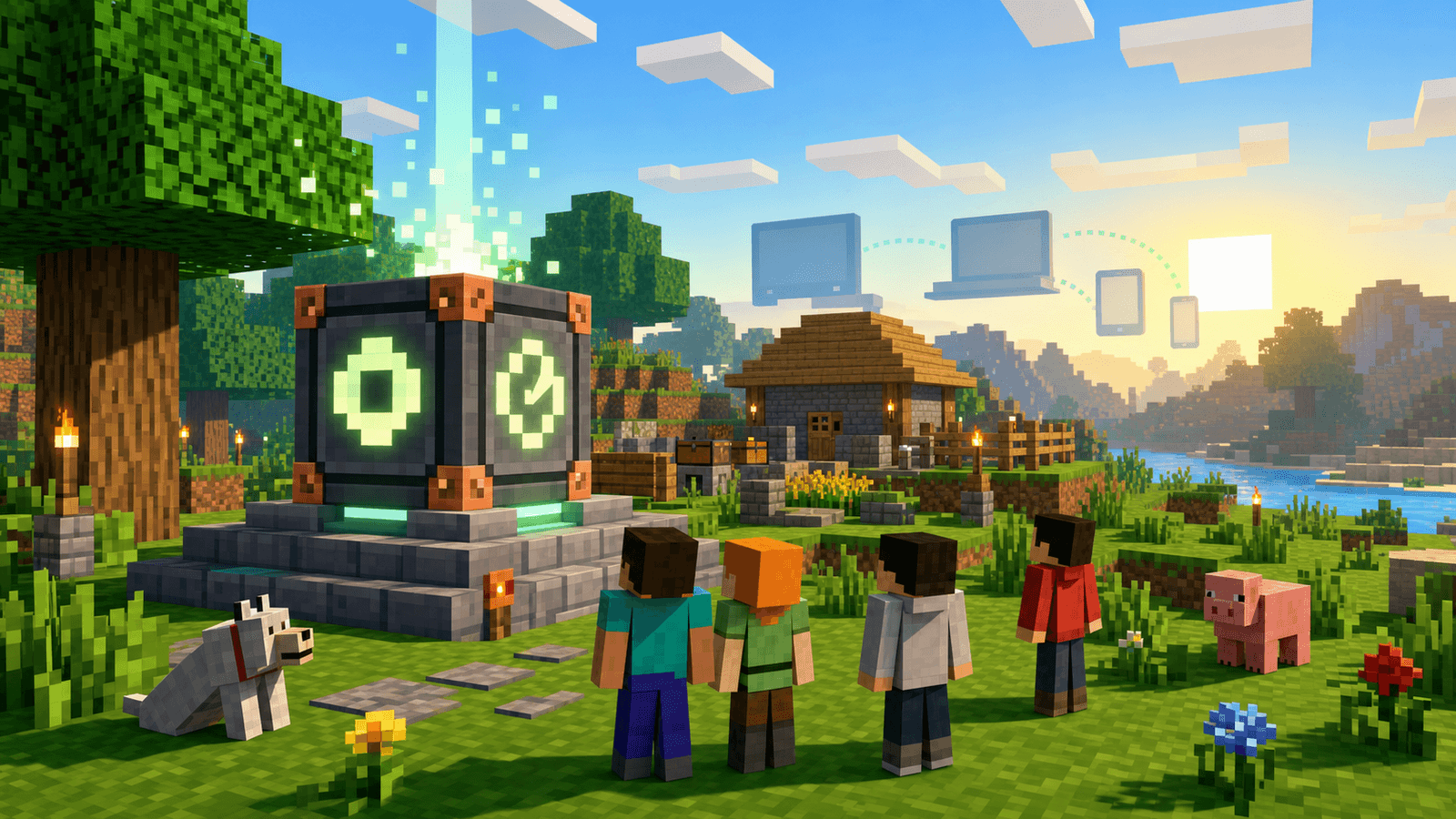
Minecraft Bedrock 26.13 released on April 6, 2026. The hotfix itself is small, but staggered platform rollout, server update timing, and Bedrock bridge quirks still matter when comparing vanilla Minecraft servers.
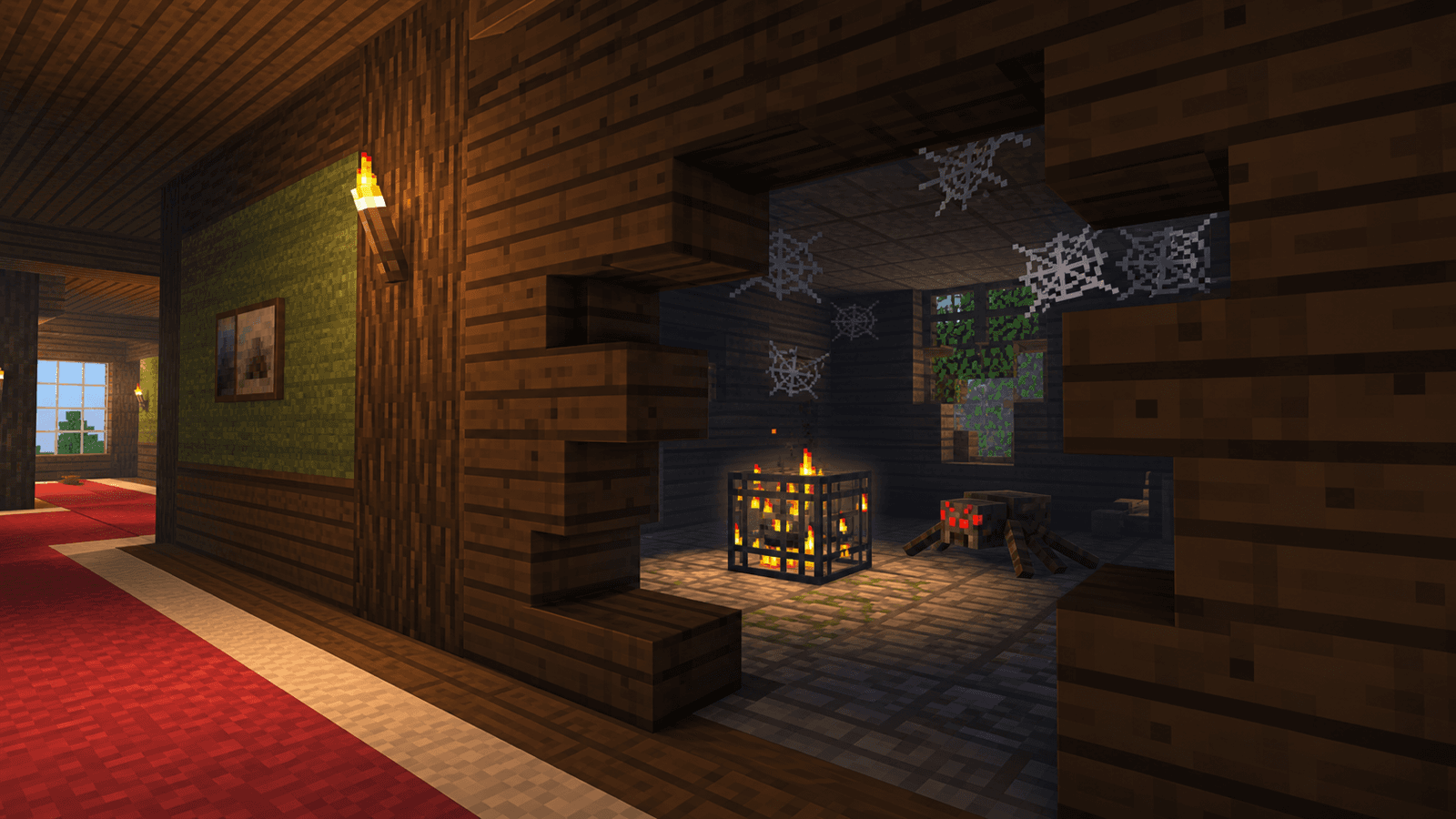
Woodland mansion spider rooms are a small generation detail, but they change how players scout, clear, and preserve one of Minecraft's longest-distance exploration structures on vanilla Minecraft servers.
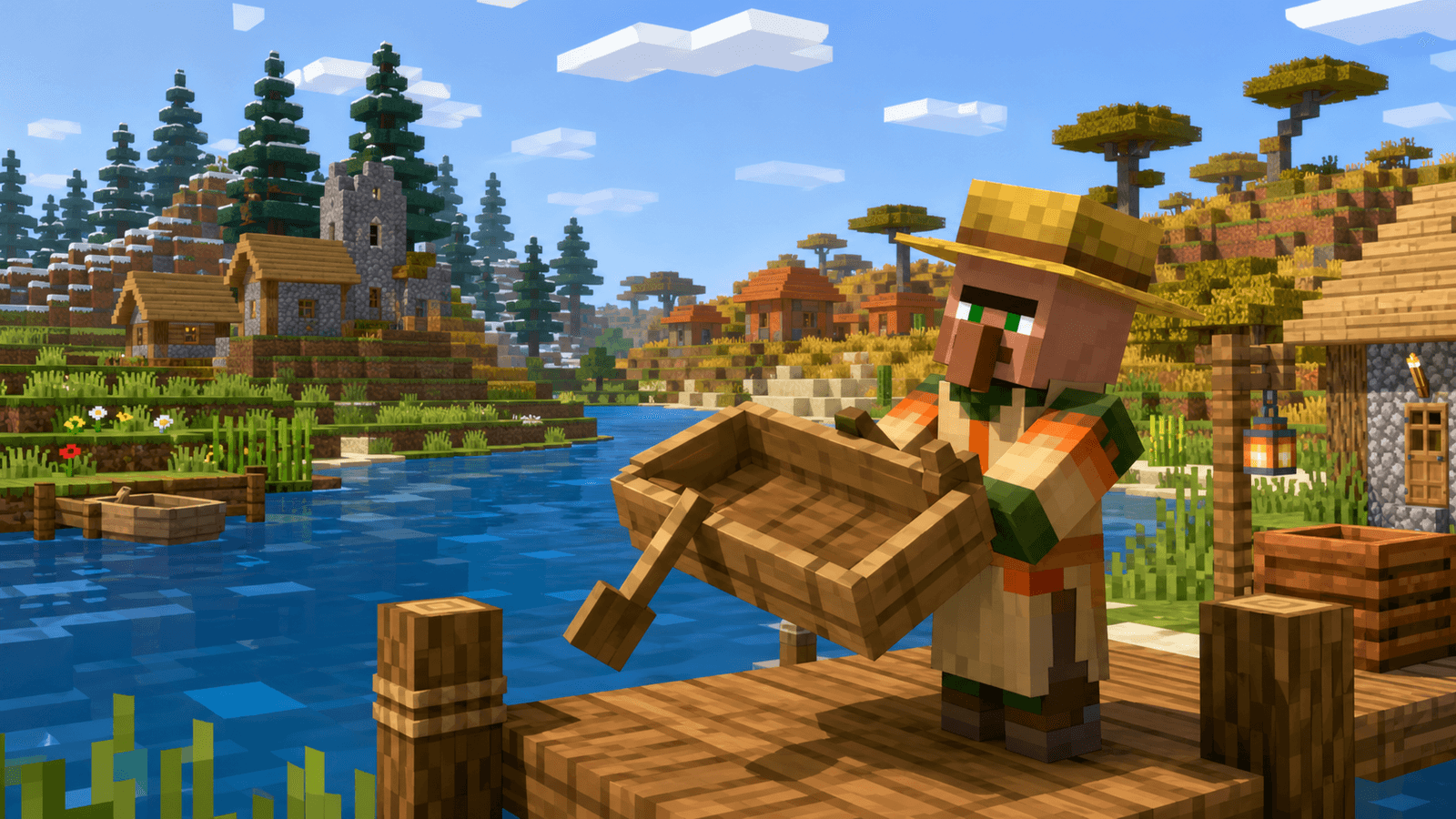
A fisherman villager's boat trade can reveal village biome clues, early emerald options, and whether a vanilla Minecraft server still lets ordinary survival details matter.
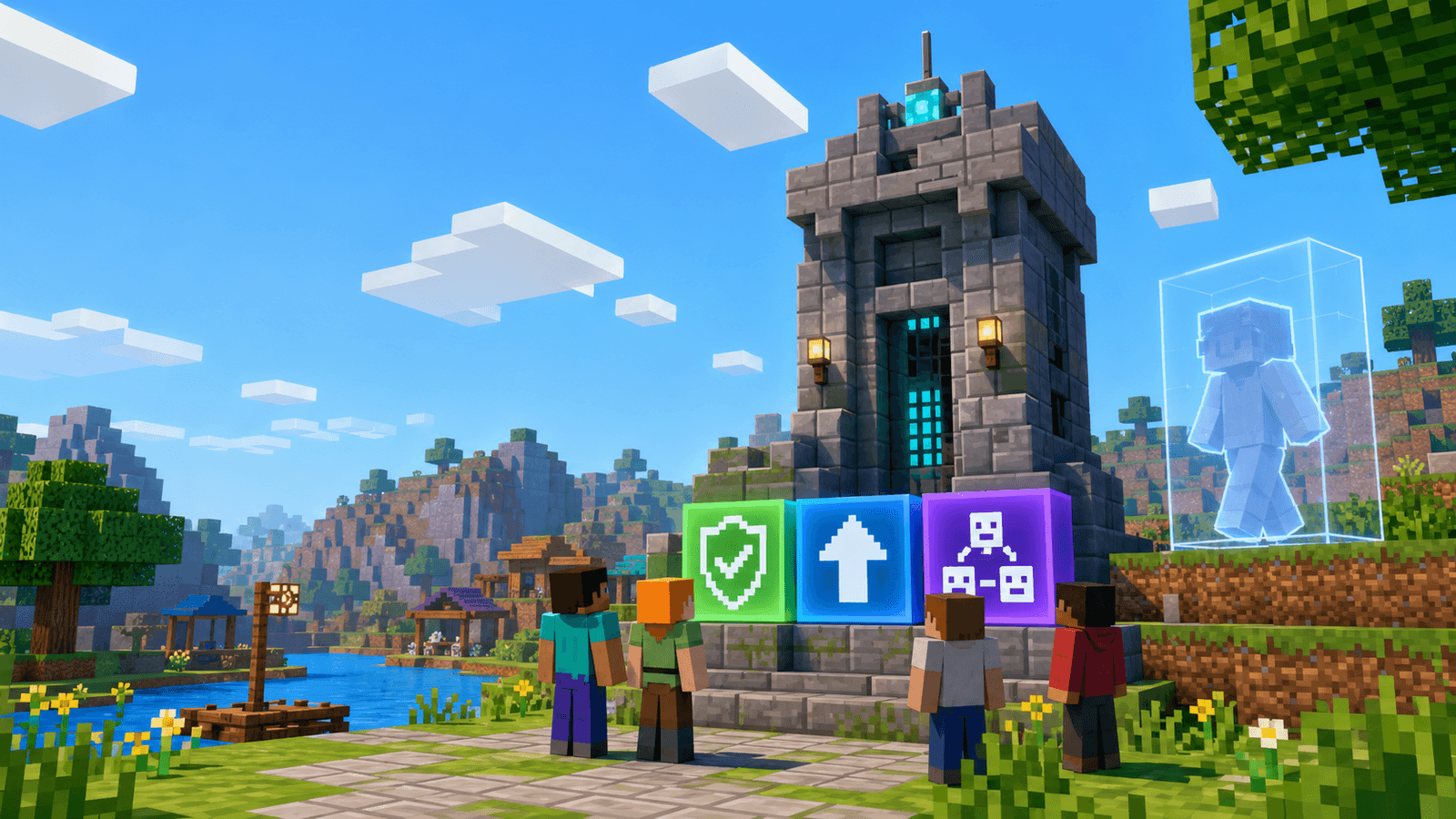
Minecraft 26.1.2 was a small Java hotfix on April 9, 2026, but its spectator exploit fix, compatibility window, and rollout pattern still say a lot about how trustworthy vanilla Minecraft servers really are.