

Early survival was slower on purpose
Beta 1.7.3 sits right before one of Minecraft's biggest survival pivots. Minecraft Wiki's rendered version pages place Beta 1.7.3 on July 8, 2011 and Beta 1.8 on September 14, 2011 as the first Adventure Update release. That matters because Beta 1.8 did not merely add scenery. It changed how players moved, healed, ate, fought, and planned exploration.
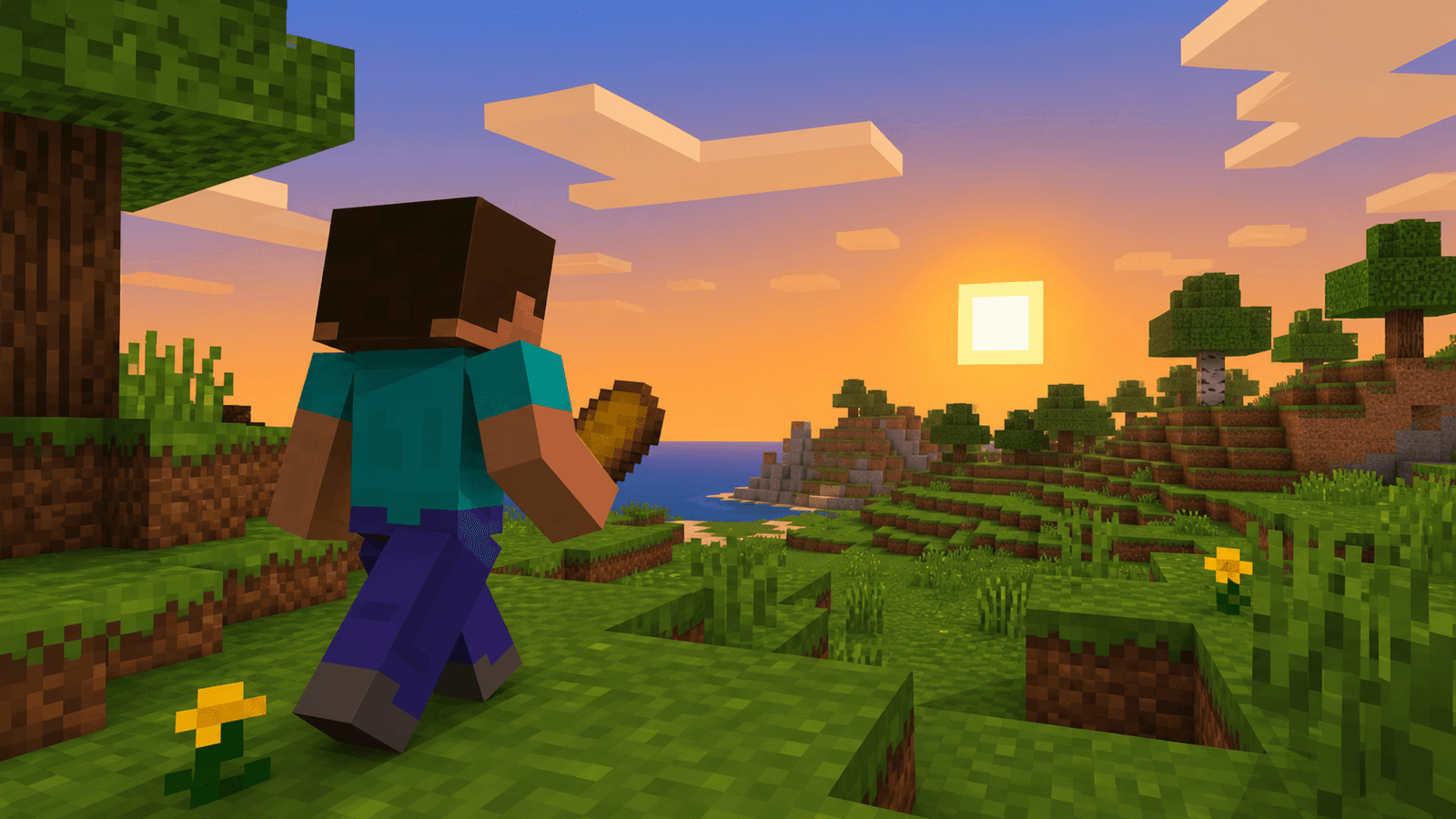
In the pre-hunger, pre-sprint feel that players associate with Beta 1.7.3, crossing a field was a commitment. You walked. You watched the sun. You judged whether a cave entrance was worth the return trip. If a skeleton clipped you, food could patch health directly, but you also had fewer modern mobility answers. A bad route home stayed bad.
That slower rhythm is why the phrase still appears in server conversations. Players looking through vanilla Minecraft servers on the homepage server list are not only choosing a ruleset. They are choosing a survival tempo: modern convenience, old-version constraint, or a server that uses plugins to imitate one while running the other.
Food changed from medkit to maintenance
The cleanest difference is food. Minecraft Wiki's hunger history records that Beta 1.8 introduced hunger and saturation, and that food stopped restoring health directly. Instead, food filled a meter. When the meter was high enough, health regenerated over time; when it reached empty, starvation damage began.
That single change turned food from a clutch inventory item into a constant background system. In older survival, a porkchop was closer to a potion-like heal. You saved food for damage. In the hunger model, food also pays for activity, regeneration, and recovery after ordinary play. A long trip is not only about armor and torches; it is also about whether the route has enough food pressure to become annoying.
For vanilla Minecraft servers, that distinction affects more than nostalgia. It changes how new players read spawn safety, public farms, no-teleport rules, and starter kits. A server with modern hunger but no public food source can feel harsh for the wrong reason. A true old-version server can feel harsh in a cleaner way because the danger comes from slow movement, darkness, and limited recovery rather than from a constantly draining bar.
Sprinting rewrote distance and danger
Sprinting is the other half of the split. The rendered Beta 1.8 page records sprinting as a new movement option activated by double-tapping forward, and the current sprinting page explains that sprinting moves faster, drains saturation, and stops when hunger falls too low. Beta 1.8 also made four-block horizontal jumps possible while sprinting.
That made Minecraft feel larger and smaller at the same time. A plains crossing became faster. Escaping basic mobs became easier. Gaps, cliffs, and parkour routes could be designed around a longer jump. But the cost moved into hunger management, which meant the new speed came with food upkeep.
Community discussions around Beta 1.7.3 make this split visible. Some players praise the lack of sprinting because it makes them notice terrain instead of rushing past it. Others prefer Beta 1.8 and later because sprinting speeds up routine travel. Neither group is simply wrong. They are describing different survival loops.
The server-listing lesson is specificity
A modern listing can say "vanilla survival" and still hide major pacing differences. Is it current Java with normal hunger and sprinting? Is it Beta 1.7.3, where the appeal is explicitly no hunger and no sprint? Is it a modern server with custom datapacks that disable natural regeneration, change food, or add commands that make travel trivial?
Those are practical questions, not trivia. Movement and food rules shape how often players meet, how far starter bases spread, how dangerous the first night feels, and whether roads, farms, boats, and Nether hubs matter. They also shape community tone. A slower world rewards local builds and careful trips. A faster world rewards larger maps, distant projects, and frequent travel.
This is the same reading habit that helps with other mechanics-history posts, including old boat travel and early starting-house survival. The useful question is not whether old Minecraft was better. It is whether a server explains the version-specific experience honestly enough for you to choose.
Good vanilla servers explain their survival tempo
The best vanilla Minecraft servers make their baseline obvious. They say the Minecraft version, whether gameplay is pure vanilla, and whether movement or recovery rules are changed. If they use an old jar, they should say so plainly. If they use modern Java but want an old-school feel, they should explain the exact changes instead of leaning on vague nostalgia.
That clarity matters most for new players. Someone joining a no-hunger, no-sprint world should expect slower travel and more deliberate danger. Someone joining a current world should expect sprinting, hunger, modern food stacks, and the common infrastructure built around those systems. Someone joining a hybrid should know which parts are custom before their first death or long walk home.
Better checks before joining
When a server listing mentions classic survival, old-school pacing, or hard vanilla, turn the pitch into concrete checks. Ask what version the server runs. Ask whether sprinting, hunger, natural regeneration, homes, warps, random teleport, or starter food are changed. Ask whether screenshots show a live world with actual travel routes or just a styled spawn.
No hunger and no sprint are worth remembering because they reveal how basic mechanics become server culture. Slow travel made local geography matter. Direct food healing made damage feel different. Sprinting and hunger created modern pacing, but also made food and movement constant systems. If you use a Minecraft server list with those differences in mind, "vanilla" stops being a mood word and becomes a sharper question: what survival rhythm are you actually joining?