
Why players keep thinking they found a delta bastion
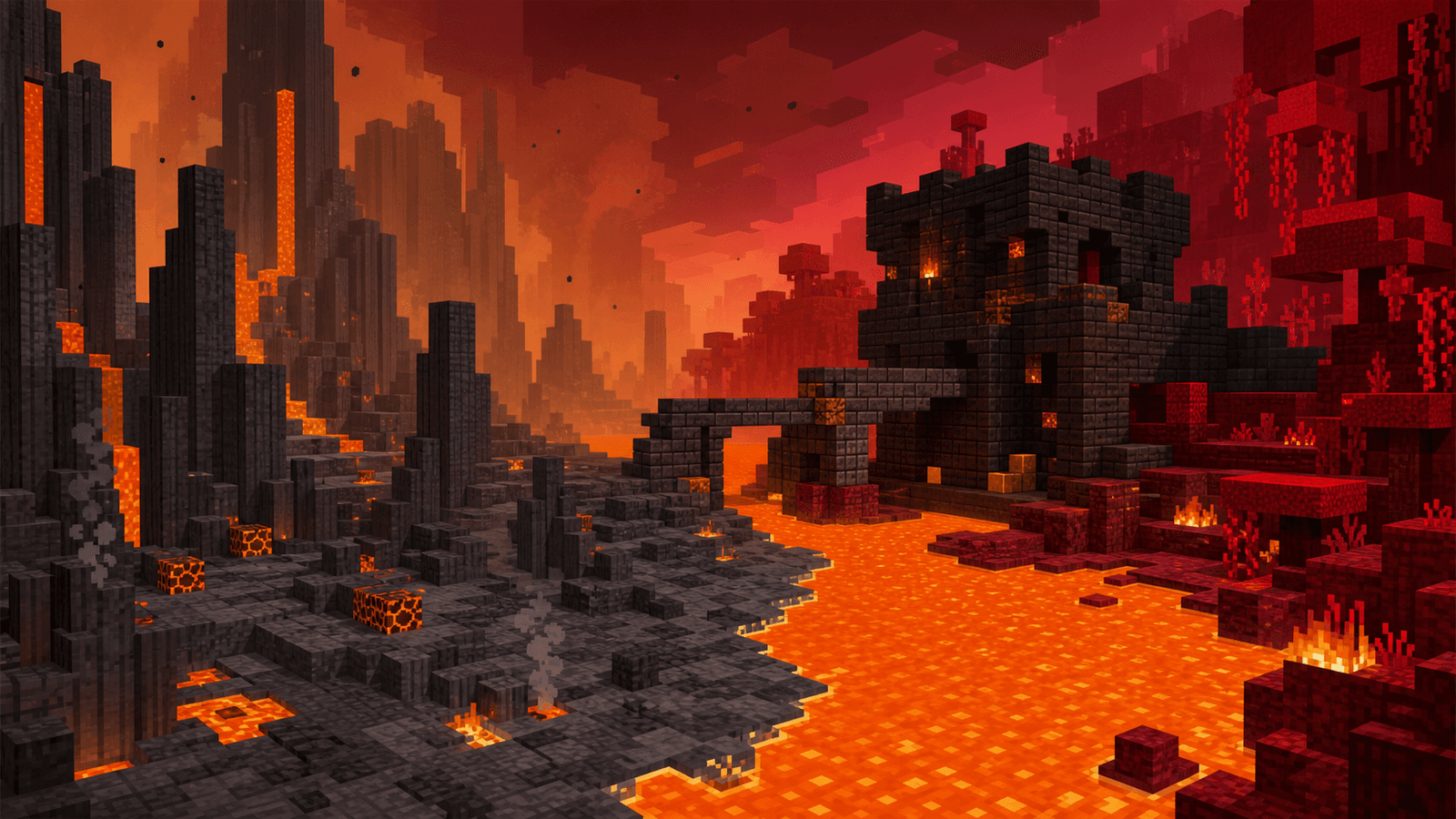
The base fact is straightforward. Mojang's bastion overview says bastion remnants appear in almost every Nether biome except basalt deltas, and the Nether Update release notes say the same thing. Minecraft Wiki adds the technical detail that matters in practice: a bastion can extend into a basalt delta from a neighboring biome, but if the structure tries to start in a delta, that attempt simply fails.
That is why players keep posting screenshots that seem to disprove the rule. Seed-hunting and Reddit threads are full of examples where most of the visible bastion looks like it sits in a basalt delta, only for the explanation to be the same every time: one corner started in nether wastes, warped forest, crimson forest, or soul sand valley, and the rest spilled over the line. In one recent r/minecraftseeds thread, a player even admitted they used to search deltas on purpose because blackstone and basalt made that feel like the obvious place for a bastion. That is a very normal mistake.
It is also why this detail matters more on a minecraft SMP than in a solo test world. In multiplayer, a wrong assumption spreads fast. One player sees blackstone terrain, another sees a partial structure, coordinates get posted in chat, and suddenly the group is treating an expensive dead-end route like confirmed loot.
Why basalt deltas waste SMP sessions
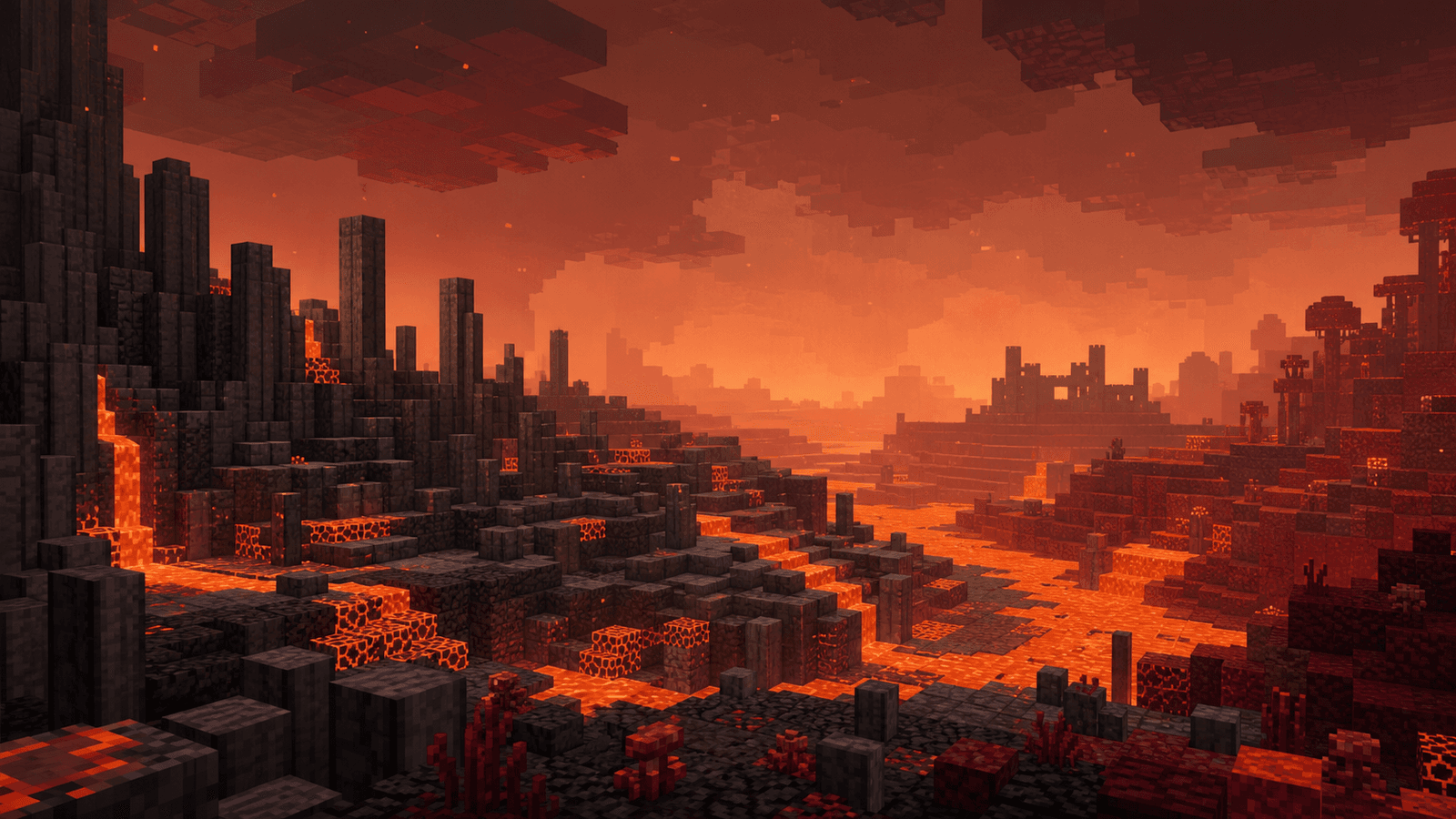
Basalt deltas are already one of the hardest places in the Nether to move through. Mojang's own biome write-up calls out the spiky terrain and hidden lava pits, and player discussion around the biome usually lands in the same place: magma cubes, jagged elevation, and awkward jumps turn short trips into slow trips. When the biome is hard to traverse and also cannot start the structure you want, bad scouting becomes expensive very quickly.
This is the real lesson behind the bastion rule. The problem is not only factual accuracy. The problem is time. On a vanilla SMP, one bad read of the Nether can burn through fire resistance, food, spare gear, and the patience of everyone following the first coordinates posted to chat. Players then come back saying the seed is empty, the Nether is "bad," or another group must have looted everything already, when the simpler explanation is that the search spent too long inside a biome that cannot produce the structure start.
What good vanilla SMP groups do instead
Well-run vanilla SMP groups turn facts like this into route habits. They do not need a custom minimap or structure locator to do it. They just need a shared language for portal exits, biome borders, rescue paths, and how aggressively a group should post coordinates before a bastion is actually confirmed. Long-time Minecraft Forum discussions about travel still treat the Nether as the default answer for big-distance movement, precisely because its compressed scale changes everything. Once a server leans on Nether movement, small generation rules suddenly matter a lot.
Community hub threads show the same thing from the player side. People who care about real Nether hubs talk about keeping the terrain visible, managing ghasts and mob-proofing, and making dangerous travel feel usable rather than erased. That mindset fits bastion hunting perfectly. A healthy vanilla SMP does not flatten the Nether into fast-travel noise. It teaches players how to read it.
That kind of discipline is what separates "we wandered around until we got knocked into lava" from an actual multiplayer exploration culture. It also makes the vanilla server list more useful: when you compare servers, you can look for communities that preserve real route-planning instead of replacing it with teleports, resets, or mystery about how shared loot is supposed to work.
Long-running servers eventually build around rules like this
One of the clearest signs of a real vanilla world is that player knowledge hardens into infrastructure. A long-lived server does not keep rediscovering the same bastion lesson forever. It builds safer lines, better staging points, and better social habits around it. The local PVC corpus is a good example of that. On Peaceful Vanilla Club, the wiki describes Chrysopoeia Town as a safe haven for nether explorers and bastion raiders, connected by iceway networks deep in the outer Nether. That is not a gimmick. It is what happens when a community spends enough time with the real terrain.
The useful takeaway is not "every server needs a bastion outpost." It is that real vanilla SMP culture leaves traces. If a world has lasted for years, players usually build around the pain points that matter: how dangerous certain biomes are, where people stage long trips, and how discoveries get passed on without making the world feel solved.
Servers that protect that process tend to feel better than servers that skip it. A bastion is more satisfying when the route to it reflects actual Nether knowledge, not just an external map and a warp command.
Use the rule as a better server filter
The practical value of this fact is not "remember a trivia answer for later." It is that bastion remnants vanilla smp planning reveals how a server handles knowledge, risk, and cooperation. Does the community share enough information to keep new players from wasting whole nights in the wrong biome? Does it still leave enough uncertainty that finding a good route feels earned? Are the Nether hubs, claims, and etiquette helping players explore, or just hiding the exploration layer under convenience features?
Those are useful questions when comparing vanilla Minecraft servers and smaller SMPs alike. A good server does not have to make bastions easy. It just has to make the rules legible. If players can learn that basalt deltas are poor bastion-search terrain, adjust their route, and come back with a better plan, the world is doing its job.
The blog is useful for finding more mechanics-first breakdowns like this one, but the selection principle stays simple: choose a vanilla SMP where world generation still teaches players something. When a server preserves that feeling, even a small fact about basalt deltas becomes part of the shared multiplayer language instead of another piece of SEO trivia.