
Beta 1.7.3 is a clean historical boundary
Beta 1.7.3 arrived on July 8, 2011. Two months later, Beta 1.8 began the Adventure Update era. The date matters less than the shape of the boundary: Beta 1.7.3 is the last version before Minecraft started moving toward the larger terrain, exploration, and survival systems that would carry the game into release.
That makes it unusually legible as a “forever” choice. A player can say, “This is the game we are keeping,” and point to a concrete version instead of an indefinite promise to stop updating someday. The Technical Beta Wiki describes it as the last version before work on the Adventure Update began, while the Minecraft Wiki places Beta 1.8 immediately after the Beta 1.7 releases in the version timeline.
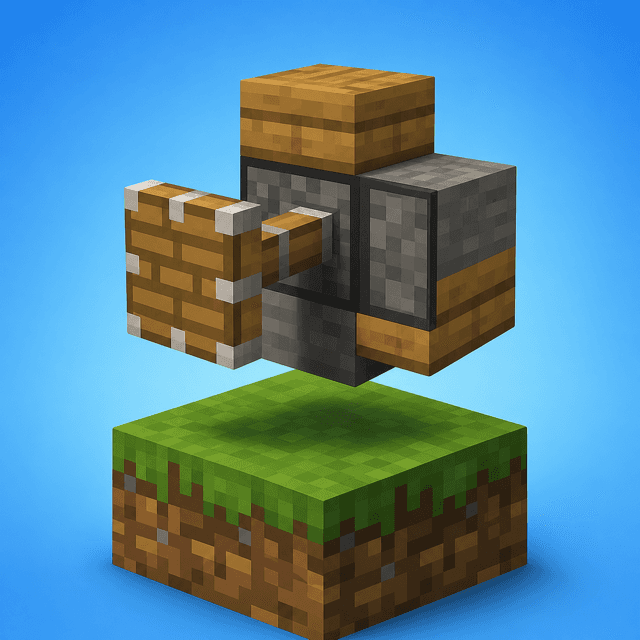
The version is not empty or unfinished. It already has pistons and shears, a recognizable redstone identity, beds, boats, minecarts, and the open-ended terrain that old-version players often want to preserve. It is a compact set of systems that can support a shared survival world without requiring a server to explain a decade of accumulated progression.
The Adventure Update changed more than the feature list
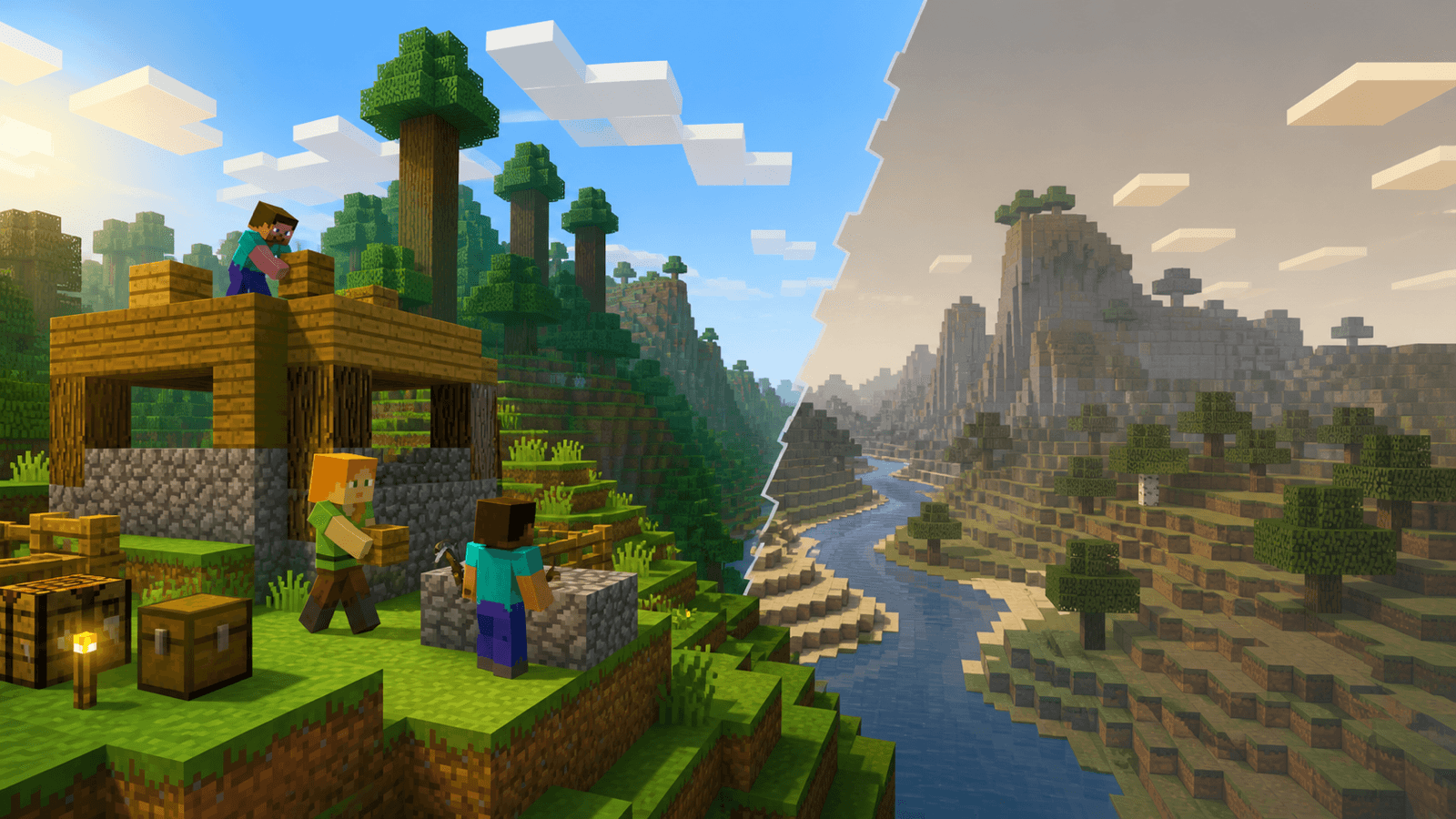
The reason players remember Beta 1.7.3 so strongly is not simply that Beta 1.8 added new content. It changed how a world asked to be played. The Adventure Update introduced a larger survival vocabulary: hunger and sprinting changed movement and food planning, while new structures, biomes, and terrain features made exploration more directed. The world became richer, but also less like the small, rough-edged sandbox that came before it.
That difference is visible in player discussions. In r/GoldenAgeMinecraft, one explanation calls Beta 1.7.3 the last version before hunger, sprinting, and the Adventure Update, while another points to old world generation and the absence of later systems as the reason it still feels distinct. Those comments do not prove a universal best version. They show that the boundary is easy for players to describe in practical terms.
It also explains why “old Minecraft” is not one experience. Some players want the beta terrain but would rather have later quality-of-life features. Others want the full discomfort: slower travel, fewer blocks, less automation, and no hunger bar. A good Vanilla SMP has to state which side of that choice it is making.
Simplicity gives a small community room to breathe
Modern Minecraft offers more ways to progress, automate, trade, travel, and optimize. That is valuable, but it can also compress a server's social life. When a few players reach the strongest farms and equipment quickly, new arrivals may feel as if the important work has already been done.
Community discussion around older versions repeatedly returns to the opposite feeling. Players describe a smaller block palette, slower pacing, self-directed goals, and a world that feels more like a sandbox than a checklist. One recent discussion also connects older mechanics to multiplayer balance, arguing that powerful modern progression systems can disrupt a server economy and shorten the useful life of shared projects. That is a player perspective, not a benchmark, but it identifies a real design question for any Minecraft SMP: how much acceleration can the community absorb before cooperation becomes optional?
Beta 1.7.3 does not solve that problem by itself. It removes many systems rather than balancing them. A server still needs active players, clear rules, reliable backups, and a reason to return. The fixed version simply makes the social contract easier to see. Everyone starts from the same small toolbox, so a long bridge, a public mine, or a communal town can remain meaningful for longer.
That distinction matters for newcomers. A player who remembers the mood of old Minecraft may be surprised by the practical friction. A player who wants a long, quiet building project may find that same friction useful because it slows the rush toward endgame. The right choice depends on the group's shared expectations.
A Beta 1.7.3 SMP needs a visible promise
If you are comparing vanilla Minecraft servers from the homepage list, treat a fixed-version claim as a policy statement. Look for the exact client version, whether the server is genuinely vanilla, and how it handles old-world files. A listing that says “classic” without naming Beta 1.7.3, a compatible client, or its reset policy leaves too much room for mismatched expectations.
The current Beta73 server listing on Minecraft Forum is a useful example of the promise in plain language: it describes a hobby Beta 1.7.3 server as normal survival, exploration, and building, with no mods or plugins. That does not certify its uptime or community quality, but it shows how a server can make the intended experience understandable before a player joins.
The same clarity matters for a modern server that borrows beta language. Is the world current vanilla with a nostalgic resource pack? Is it a preserved map with a new world outside the border? Is it a modded recreation? Those can all be worthwhile, but they are different products. Players comparing the history of Beta 1.8 and the Far Lands era should be able to tell where the historical rules end and the server's interpretation begins.
Forever does not mean universally best
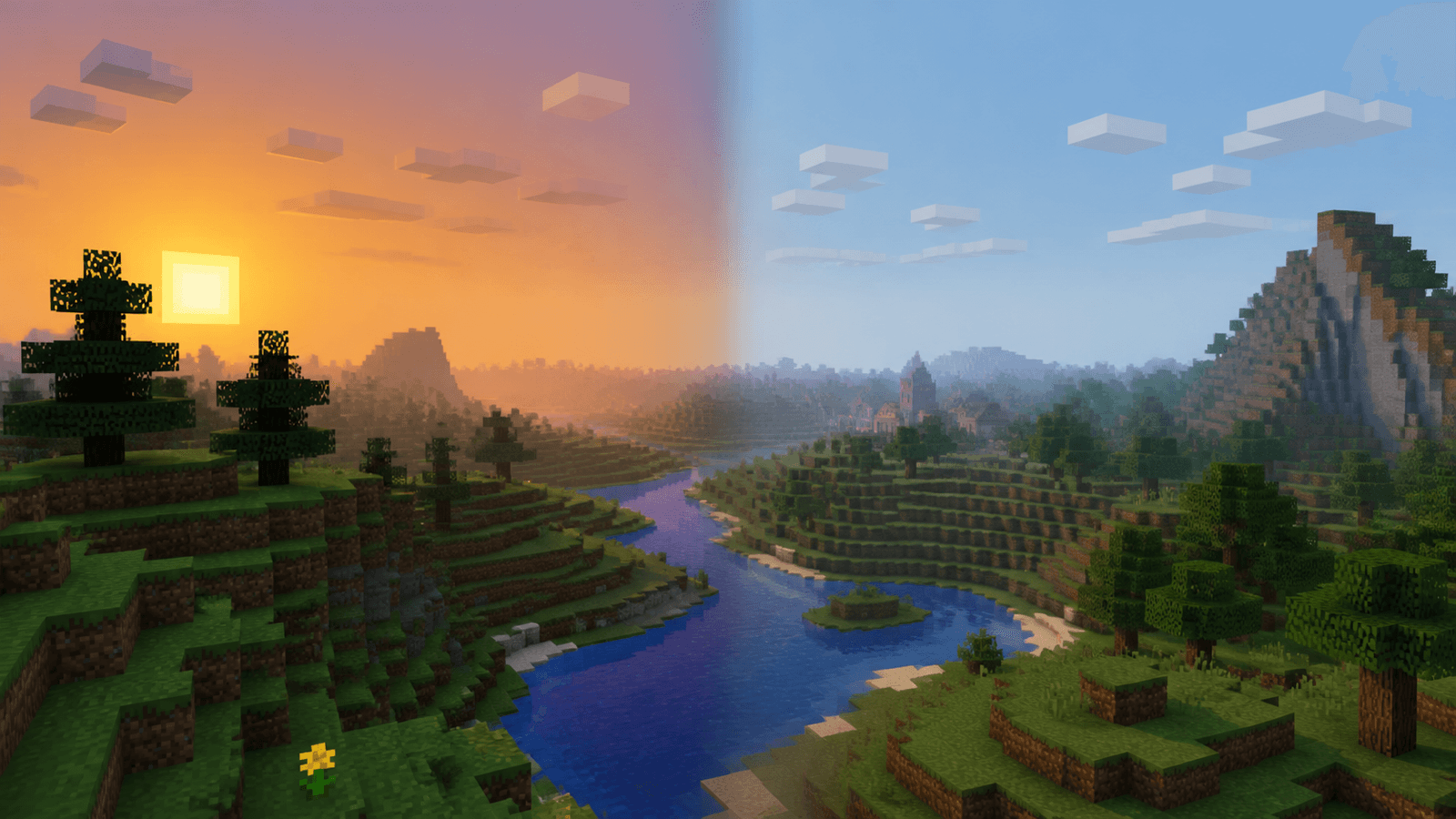
Beta 1.7.3 lasted in player memory because it offers a boundary people can feel. It preserves old terrain and a limited toolbox while stopping just before the Adventure Update's larger survival and exploration shift. For some groups, that makes every new road, base, and public project carry more weight. For others, the missing conveniences are the reason to choose a later release instead.
That is the useful lesson for any Vanilla SMP: version choice is community design. A fixed era can protect a shared pace, but only if the server states the costs as clearly as the benefits. Read the Minecraft blog for more history-led comparisons, then return to the server list with sharper questions about version, world age, and the kind of progress your group actually wants to preserve.