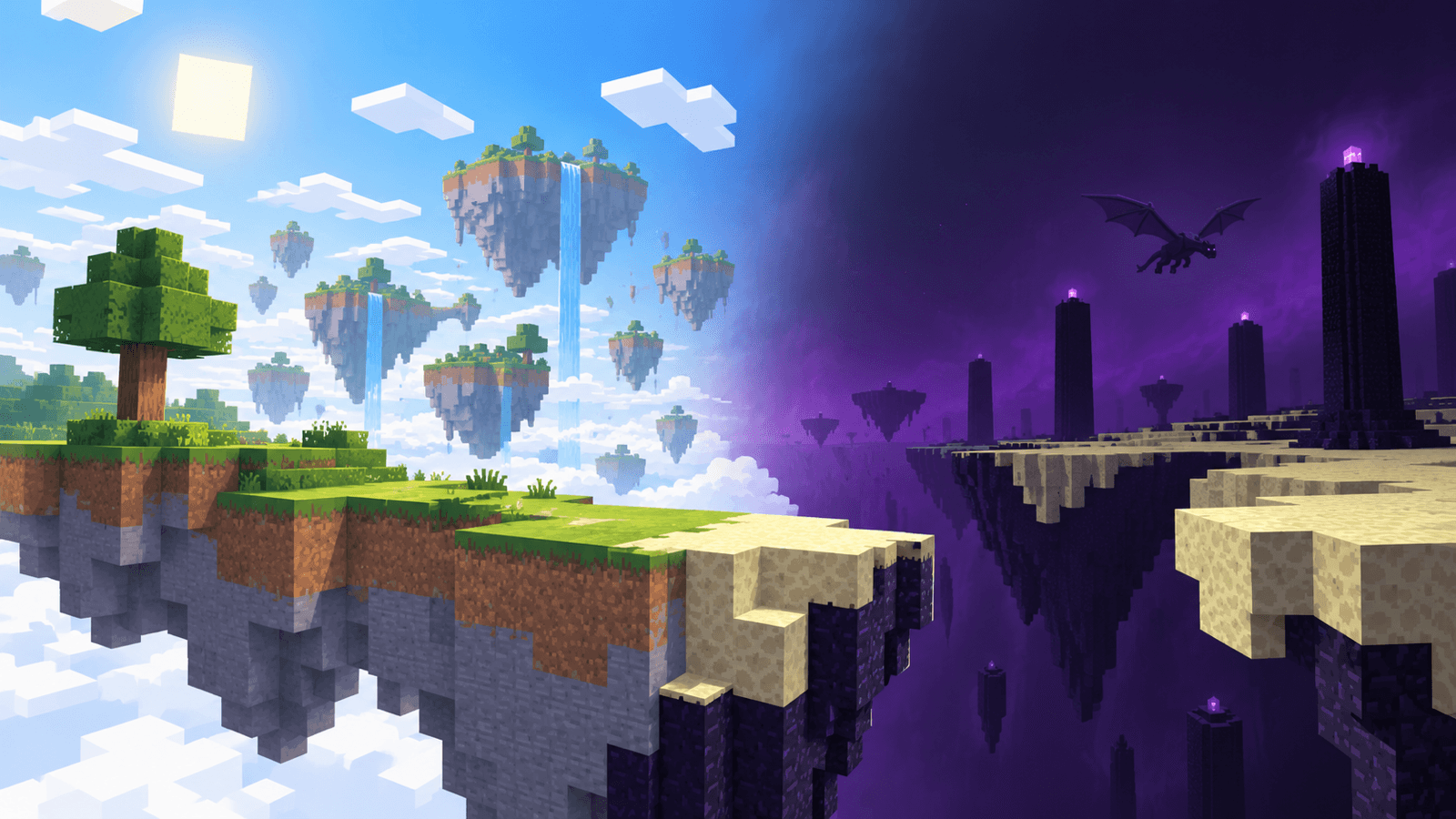
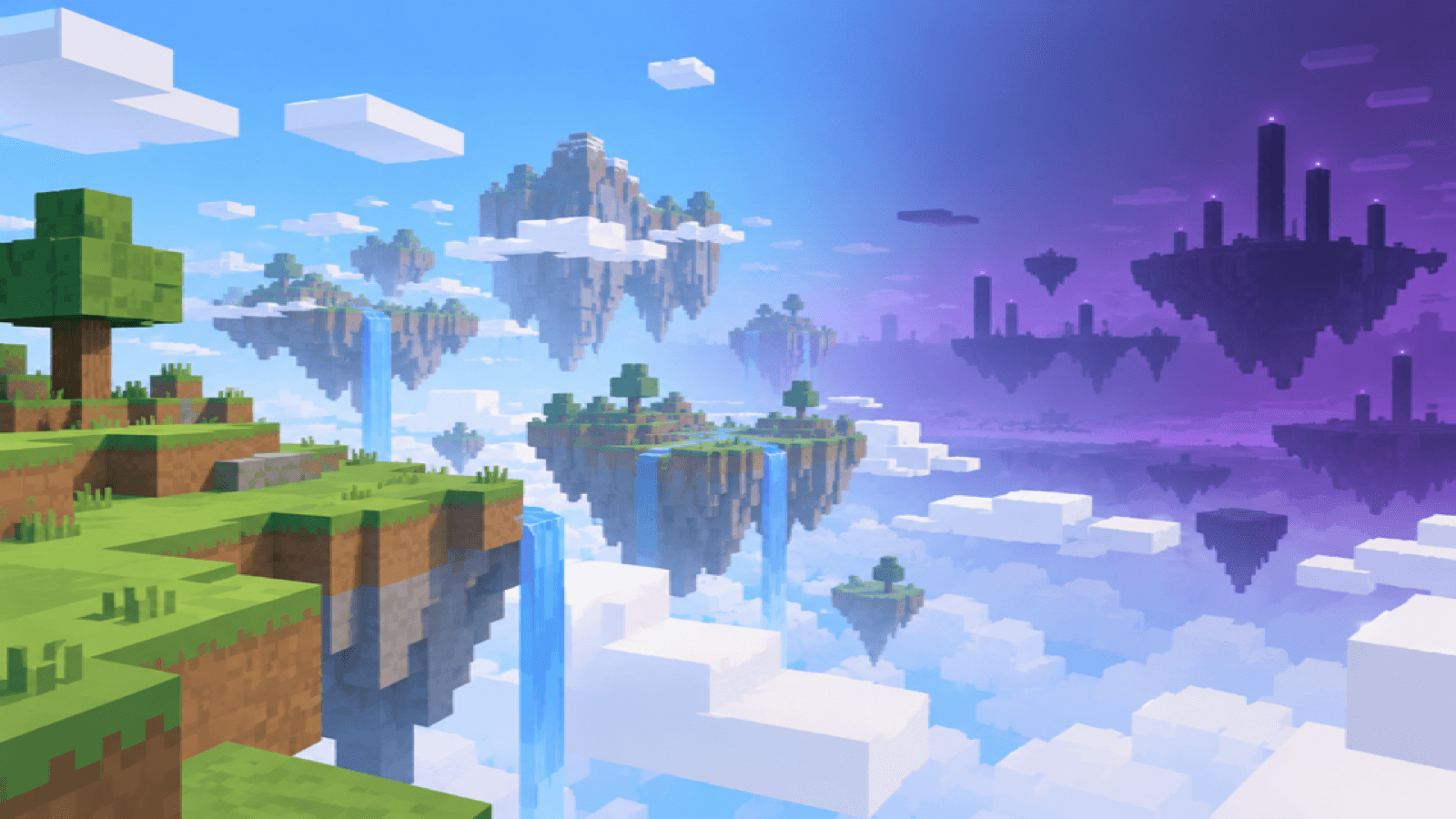
The Sky Dimension was an idea before it was a destination
The phrase “scrapped Sky Dimension” can make the history sound cleaner than it was. It was not one finished map that Mojang deleted and recolored. It was a changing development direction: an earlier promise of a sky-world concept, experiments with floating terrain, and a later decision to give a new dimension a different identity.
Contemporaneous forum posts from September 2011 show players still expecting a separate sky world before Minecraft 1.0. They were not working from a complete design document. Some remembered Notch's earlier announcements, some connected the idea to the Aether mod, and others discussed unfinished generation code. That uncertainty is important evidence in itself. The Sky Dimension was visible enough to shape expectations, but not settled enough to define what the final game would ship.
The safest historical conclusion is therefore not “the End was secretly the Sky Dimension all along.” It is that the End inherited a development path that had once pointed upward, then redirected it toward a more controlled late-game encounter. The sky-world idea supplied the question—what should exist beyond the ordinary terrain?—while the End answered with a place that would close the first version of Minecraft's progression.
Prerelease terrain turned speculation into a real multiplayer problem
In October 2011, players inspecting Beta 1.9 prereleases could see a third generated world and floating terrain that looked unfinished. The Minecraft Forum discussion around those screenshots is useful because it records several reactions at once: excitement, disappointment, confusion about access, and arguments over whether the terrain was new or leftover code. One poster called it bland; another recognized the shape from older images; another guessed that it was only an incomplete step toward the final feature.
That is exactly the kind of moment that matters to a shared world. A new dimension is not only a developer decision. Players have to know whether it is reachable, whether it is safe to explore, whether it will survive the next prerelease, and whether their server should let everyone test it. Before the End had a stable name and purpose, it already created the social questions that still follow major Minecraft updates: what changes now, what stays experimental, and who is responsible when an unfinished world is generated?
The practical lesson for a vanilla smp is simple: version history is also community history. A server that runs an old release is preserving a set of expectations about terrain and access, not just an executable. A server that updates is asking players to accept new geography and a new progression rhythm. The Sky Dimension's unfinished appearance made that relationship unusually visible.
The final End was not simply a promise of more land above the Overworld. It was a decision about purpose. Floating islands could support open-ended exploration, but a boss arena could give the new game a recognizable finish. The shift made the dimension less like a second home and more like a threshold the whole server could prepare to cross together.
The release gave the End a job the Sky Dimension did not have
Minecraft.net's retrospective history places the Ender Dragon and Minecraft 1.0 in November 2011. In the released design, the End had a clear role: reach a stronghold, activate the portal, survive a hostile dimension, defeat the dragon, and encounter the End Poem before returning to the world. Players could continue afterward, but the game now had a deliberate milestone that could be understood by a new player joining an established community.
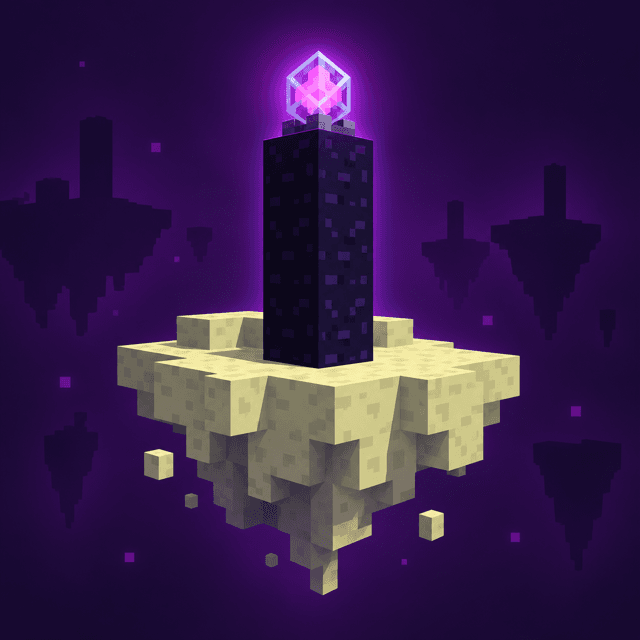
That was a major change from a purely atmospheric sky-world concept. The End's emptiness became part of its message. The void, obsidian pillars, and isolated island made the fight feel separate from ordinary building life. The dimension was not asking players to settle there immediately; it was asking them to prepare, coordinate, and decide when the community was ready for its first ending.
Later updates expanded the End with outer islands, cities, and flight, but that did not erase the original job. It layered a longer exploration loop onto a space first introduced as a conclusion. The tension is why the End remains so recognizable: one group sees a memorable final challenge, while another sees a dimension whose open-ended potential was narrowed before release. Both readings are grounded in how the feature developed and how players have discussed it over time.
That distinction is also why historical accuracy matters when a server advertises itself as classic. “Pre-End,” “Beta-era,” and “modern vanilla” describe different social rhythms. They should not be collapsed into one nostalgia label simply because all three use blocks, survival, and exploration.
What the change means for vanilla SMP pacing
If you are comparing vanilla Minecraft servers from the homepage list, use the End's origin as a practical test. Ask what the server thinks progression is for. Is the dragon a celebratory event that gives everyone a reason to gather, or is it a private milestone that experienced players can complete in a weekend? Is the End meant to stay a dangerous frontier, or will the community quickly turn it into a transport and building zone?
Those questions matter because the End's history is really a history of competing rhythms. The Sky Dimension idea suggests open discovery: travel upward, find strange terrain, and make the frontier your own. The released End suggests concentrated preparation: gather resources, locate the portal, coordinate a fight, and return with a story. A best vanilla smp can support either rhythm, but its description should tell players which one they are joining.
The old forum conversations also show why community evidence belongs beside patch notes. Players did not discuss only blocks and world generation. They argued about whether the new dimension felt finished, whether it was worth the trip, and whether the Aether was a better model for a sky world. Modern communities make the same kind of judgment when they compare a server's reset policy, exploration rules, and late-game events. Technical history becomes useful when it helps players name the experience they want.
The scrapped idea still survives in the way we explore
The Sky Dimension did not ship as the bright second world that many players imagined. What survived was a design pressure: Minecraft needed somewhere beyond the familiar map, and that place had to mean something to a community. The End answered with a void, a dragon, and a return path rather than a second Overworld in the sky.
That answer changed the game's shape without removing its sandbox core. Players can ignore the portal, delay the fight, build a settlement, or keep exploring after the credits. The End gives a server a shared horizon, not a mandatory schedule. Read more Minecraft history on the blog, then use the server list to find a world whose version, exploration promise, and approach to progression fit the story you want to keep building.